



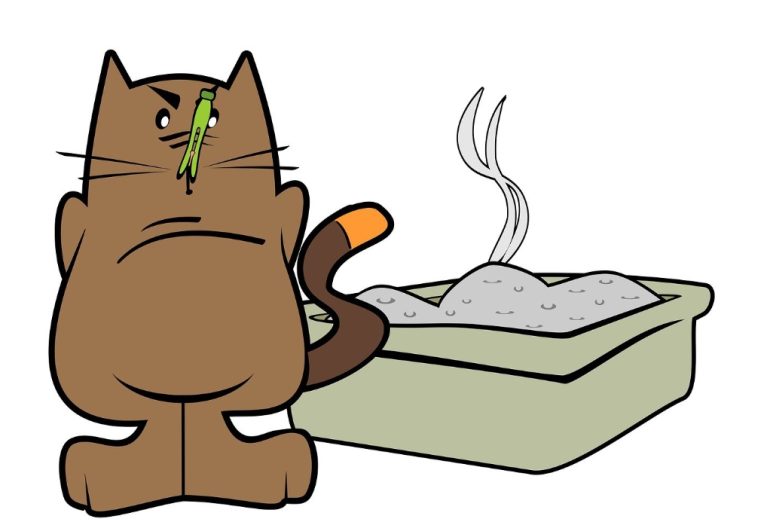
If you share your home with a cat, you already know that litter box odors can go from mildly unpleasant to overwhelming fast. The good news is that a smelly litter box isn’t something you just have to live with.
With a better understanding of what causes the odor and how to manage it, you can keep your space fresh while making life more comfortable for your cat, too. Many pet owners upgrade to a self-cleaning litter box to simplify the process and minimize odors right from the start.
What Causes Litter Box Odor?
The primary culprit behind litter box smells is ammonia, which forms when bacteria break down the urea in your cat’s urine. Over time, this smell intensifies, especially if the litter box isn’t cleaned frequently. Feces also contribute to odor, particularly when left exposed for long periods.
Diet plays a surprising role as well. Cats that consume lower-quality food may produce waste with a stronger smell because of fillers and less digestible ingredients. Digestive health and hydration can significantly influence the odor of your cat’s waste. A poorly ventilated area can also trap and amplify smells, making the problem seem worse than it is.
Another overlooked factor is the type of litter you use. Some litters are better at trapping odors than others, while some may simply mask smells temporarily rather than eliminating them.
Why Regular Cleaning Matters More Than You Think
Even the best litter can only do so much if the box isn’t cleared regularly. When waste accumulates, bacteria multiply rapidly, making odors harder to control. Daily scooping is essential for maintaining freshness and preventing buildup.
Beyond smell, cleanliness also affects your cat’s behavior. Cats are naturally clean animals, and a dirty litter box can lead to avoidance or accidents outside the box. This can create additional stress for both you and your pet.
Deep cleaning the box itself is just as important. Over time, plastic litter boxes can absorb odors, even if you scoop regularly. Washing the box with mild soap and warm water every couple of weeks helps reset the environment and keeps lingering smells at bay.
The Role of Litter Choice
Not all litter is created equal when it comes to odor control. Clumping clay litter is popular because it makes waste easy to remove, but it may not always provide the best odor absorption. Alternatives like silica gel or natural litters made from materials like corn or wood can offer better odor control for some households.
It’s also worth paying attention to fragrance. While scented litters might seem like a good idea, they can sometimes irritate your cat or simply mix unpleasantly with existing odors. A high-quality unscented litter that neutralizes odors is often a better long-term solution.
Ventilation and Placement Make a Difference
Where you place your litter box can significantly impact how odors spread. A box tucked into a small, enclosed space without airflow will trap smells, making them more noticeable. Instead, placing the litter box in a well-ventilated area allows odors to dissipate more naturally.
However, balance is key. Cats prefer quiet, low-traffic areas where they feel safe. Finding a spot that offers both privacy and airflow can go a long way in managing litter box smells.
Air purifiers or simple measures like opening windows can also help improve air circulation. Improving indoor air quality can reduce lingering odors and create a healthier living space overall.
How Technology Can Help Reduce Odors
For many cat owners, keeping up with constant scooping can be challenging. This is where modern solutions come into play. Automated litter boxes are designed to remove waste automatically after each use, reducing the time odors have to develop.
These systems save time and actively improve odor control by keeping the litter cleaner throughout the day. Instead of waste sitting in the box for hours, it’s quickly separated and stored in a sealed compartment.
This approach is especially helpful in multi-cat households, where litter boxes can become dirty much faster. By maintaining a consistently clean environment, automated systems help prevent the buildup of bacteria and odor.
Small Changes That Make a Big Impact
Sometimes, even minor adjustments can lead to noticeable improvements. Keeping a mat under the litter box can prevent tracking, while using a covered waste bin nearby makes disposal more convenient. Ensuring your cat stays hydrated and eats a balanced diet can also reduce the intensity of odors over time.
Consistency is the most important factor. When cleaning becomes part of your daily routine, odors are much easier to manage. Pairing good habits with the right tools creates a system that works without constant effort.
A Cleaner Home Starts With the Right Approach
By understanding the causes and taking a proactive approach, you can maintain a fresher, more inviting home. From choosing the right litter to improving ventilation and cleaning habits, each step contributes to better odor control.
For those looking to simplify the process even further, investing in smarter solutions can make all the difference. With the right setup, managing your cat’s litter box becomes less of a chore and more of a seamless part of your routine, leaving you with more time to enjoy your feline companion without the lingering smell.