



Action movies have always depended on strong visual imagination. From dramatic character designs and futuristic cityscapes to intense fight scenes, chase sequences, explosions, and powerful hero moments, the genre is built around visuals that feel bold, energetic, and cinematic. A great action scene often starts long before cameras begin rolling. It begins with an idea, a mood, a character concept, or a visual direction that helps shape the story
Traditionally, creating these visuals required large production teams, concept artists, editors, cameras, locations, lighting, stunt planning, and a significant amount of time. Even early-stage concept development could be expensive and slow. A filmmaker or creator might need sketches, mood boards, reference images, or test footage before deciding whether an idea was worth developing further.
Today, artificial intelligence is giving creators a new way to explore those ideas earlier in the creative process. AI image and video generation tools are making it easier for filmmakers, content creators, marketers, game designers, and fans to turn visual concepts into images and short video clips without needing a full production setup from the start.
This shift is especially interesting for action and entertainment content. Action storytelling is visual by nature. Whether someone is designing a cyberpunk fight scene, a superhero-style character, a futuristic battlefield, a martial arts poster, or a dramatic chase sequence, the first challenge is often getting the idea out of the imagination and into a visible form.
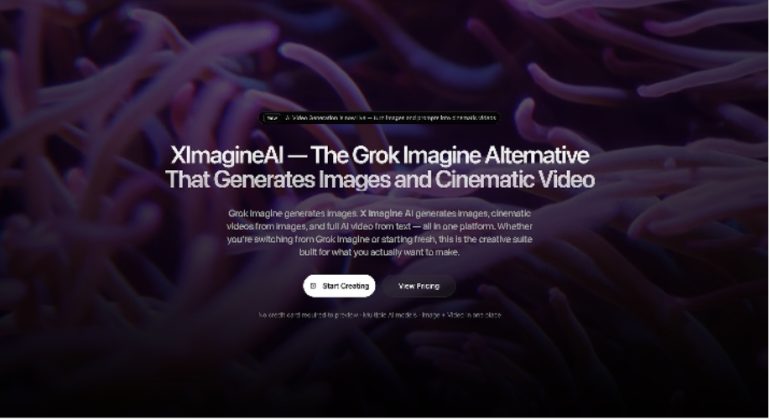
For creators who want to experiment with movie-style visuals, platforms like XImagine AI are becoming useful. XImagineAI is an online AI image and video generation platform that brings together multiple creative models, including Grok Imagine for AI image generation and video models such as Kling and Seedance. Instead of moving between different tools for different types of content, users can explore both image and video creation in one browser-based workflow.
One of the most useful parts of AI image generation is the ability to create visual references quickly. A creator can describe an action hero, a sci-fi battlefield, a neon-lit street chase, a fantasy warrior, a post-apocalyptic city, or a dramatic movie poster concept, then generate multiple image variations from that idea. This can help users test different styles, moods, characters, lighting directions, and scene compositions before developing a final creative project.
With support for the Grok Imagine model, XImagineAI allows users to generate AI images from text prompts. These images can be used for concept exploration, storyboarding references, social media visuals, fictional character ideas, promotional graphics, movie-inspired posters, or early-stage creative planning. For action and entertainment creators, this can be especially helpful because cinematic ideas often begin with a strong visual direction.
For example, a creator might want to explore the look of a lone fighter standing under heavy rain in a futuristic city. Another user might imagine a high-speed motorcycle chase through a desert highway, a masked hero walking through smoke, or a martial arts scene inside an abandoned warehouse. In the past, turning these ideas into even a rough visual reference could take hours or days. With AI image generation, users can test the direction much faster.
AI image generation does not replace the creative decision-making process. Instead, it gives creators more material to work with. A filmmaker can compare visual directions, a designer can test costume and color ideas, and a marketing team can explore different promotional concepts. The final creative choice still depends on human taste, storytelling goals, and production needs.
AI video generation adds another layer to this workflow. XImagineAI also supports video models such as Kling and Seedance, which allow users to create short AI videos from text or image-based prompts. This gives creators a way to explore motion, camera movement, atmosphere, and scene composition before investing in traditional production work.
For action-style content, movement matters. A still image can show a character, a setting, or a mood, but video can suggest pace, rhythm, tension, and energy. A creator might start with an AI-generated image of a character standing in a neon-lit alley, then use a video model to test how that scene could feel in motion. Another user might generate a dramatic poster-style image and then explore a short animated version for social media or a promotional teaser.
These tools do not replace full filmmaking, stunt work, cinematography, or professional editing. Instead, they can help speed up brainstorming and visual testing. They allow creators to ask questions earlier: Does this scene feel cinematic? Does the character design work? Is the lighting direction strong enough? Could this idea become a teaser, a short clip, a poster, or part of a larger story?

The rise of AI tools is also changing how independent creators approach content production. Not every creator has access to a film crew, a design team, or professional editing resources. Independent filmmakers, YouTubers, game developers, comic creators, and small creative studios often need to move quickly while working with limited budgets. AI image and video tools can lower the barrier to experimentation, allowing more people to explore cinematic ideas and develop visual concepts at an early stage.
For marketers and small studios, this type of workflow can also be useful. Promotional campaigns, movie-inspired visuals, game concepts, product videos, and social media content often require fast creative output. By using AI tools, teams can test more ideas in less time and choose the strongest direction before spending more resources on production.
A small entertainment brand, for instance, could use AI-generated visuals to explore several poster concepts before choosing one for a campaign. A content creator could generate short cinematic clips to support a video project. A game designer could test environments, characters, or action sequences before building more detailed assets. These early experiments can help guide the creative direction and reduce wasted time.
Another advantage of platforms like XImagineAI is accessibility. Users do not need advanced design or editing experience to begin. They can write a prompt, generate a visual result, adjust the idea, and continue experimenting. This makes AI creation practical for both professionals and casual users who want to explore cinematic visuals.
Prompt-based creation also encourages iteration. A user can change the mood, camera angle, lighting style, character description, background, or action scene details with a few words. This makes the process more flexible than traditional early-stage visual planning. Instead of being locked into one version of an idea, creators can explore many variations and decide which direction feels strongest.
As AI image and video models continue to improve, they are likely to become a bigger part of entertainment, marketing, and digital storytelling. The ability to move from a written idea to an image, and then from an image to a short video, gives creators more flexibility in how they develop and present their ideas.
For action-related content, this flexibility is especially valuable. The genre depends on movement, scale, atmosphere, and memorable visuals. AI tools can help creators imagine scenes that would otherwise require large sets, complex effects, or expensive test production. While professional production remains essential for finished films and commercial projects, AI can become a useful creative assistant during the planning and concept stage.
XImagineAI brings Grok Imagine, Kling, and Seedance video models together in one platform, giving users a simple way to explore AI-powered cinematic creation. For creators interested in action-inspired visuals, movie-style concepts, character ideas, short video experiments, and fast visual development, XImagineAI offers a practical tool for building the next generation of digital creative content.