



Action movies are built on tropes, these recurring motifs like infinite ammo that form the DNA of the genre. Some may dismiss them as clichés, but they serve as a foundation which a masterful director can turn into an elite cinematic experience.
And we’re here for all of it, eagerly waiting to see how the next flick will put a fresh spin on these common themes. With that in mind, here is a list of the top 5 tropes that define the action genre.
1. Infinite Ammo
Did you notice that the best action movies feature protagonists who never have to reload their weapons? The infinite ammo trope was huge during the 1980s, a decade known for one-man army movies.
Commando (1985), starring Arnold Schwarzenegger, is the masterclass in this trope. His character, John Matrix, is a retired US Special Forces colonel on a mission to rescue his kidnapped daughter. In the epic shootout scene, he eliminates something like 80 enemies without ever reloading his machine gun even once. Who are we to question it?
2. Waiting Game
The so-called waiting game trope is used to establish a character as patient and professional by engaging them in a repetitive, low-stakes activity before all hell breaks loose. We see that in Leon: The Professional (1994). Here, the titular hitman is quite methodical when it comes to his waiting routine. He drinks milk, exercises and takes care of his houseplant meticulously before his next contract begins.
You can play your own waiting game between movie marathons. If casual gaming is your thing, you can always grab free coins in Solitaire Grand Harvest and secure enough ammo to kill some time and have fun until diving into the next adventure that will keep you on the edge of your seat.
3. Walk Away from the Explosion
Here’s another that defies logic but we love it for it. Seeing a hero strolling away from a massive fireball in slow motion without looking back or showing any concern is absolute cinema, realistic or not.
This trope is the bread and butter of action flicks and we remember it more than the plot. Who can forget the rooftop escape scene inDesperado (1995), starring Antonio Banderas and Salma Hayek, where the couple walks away in slow motion with fire blazing behind them? What was the movie about? Precisely.
4. Villainous Monologue
Also known as gloating, the villainous monologue scene lets an antagonist take center stage to explain their motives, master plan, philosophy, or the reasons why they are superior to the hero who’s been captured or defeated. It has at least two objectives: to portray the villain as human and build tension and allow the hero to counterattack or escape.
Alan Rickman’s Hans Gruber, for example, comes off as a sophisticated villain in Die Hard (1988) by quoting Alexander the Great. While Gruber explains his heist strategy, John McClane, the protagonist played by Bruce Willis, takes advantage to navigate the ventilation shafts.
5. One Last Job
This one shows the protagonist leading a quiet life, often engaged in a hobby, such as gardening or boat repair. Such an almost idyllic life gets disrupted by some kind of wrongdoing or temptation for revenge and he’s forced to get back into the action.
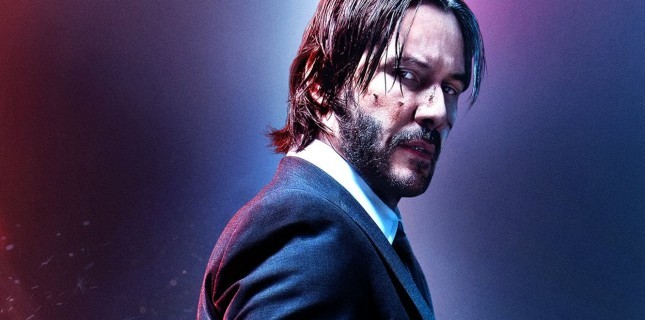
The John Wick franchise is all about this trope. The one last job theme is recurring, with the protagonist played by Keanu Reeves constantly drawn back despite being retired. As Michael Corleone famously said in The Godfather Part III: “Just when I thought I was out, they pull me back in!”