



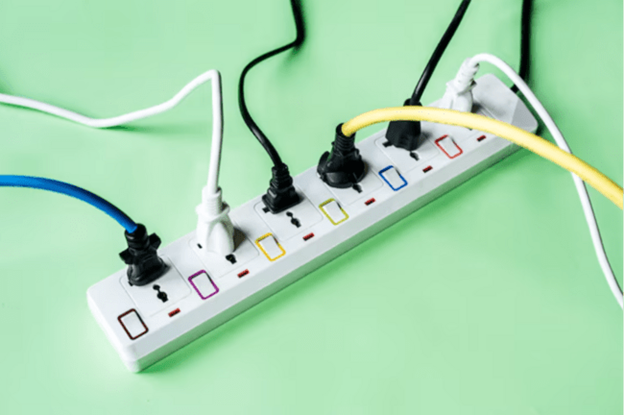
Even a broken extension cord plug can make a seemingly easy task a matter of safety. For example, you may also notice that a power tool cuts off, a device stops functioning, or a plug feels abnormally warm after just a few minutes of use. Although these issues may seem minor, they often indicate a worn or damaged plug that shouldn’t be ignored.
The positive thing is that most extension cord plug problems are simple to diagnose and, in most cases, simple to fix. When the cord is in good condition, but the plug has failed, consider changing the plug only and not the whole extension cord to save your money. By understanding when a repair is necessary and when the whole cord needs replacing, you can make the safest decision.
The following sections cover six typical extension cord plug issues, the reasons behind them, and how they can be safely repaired.
- Loose Plug Connection
A loose extension cord plug will lead to flickering lights, intermittent power, or power tools that switch off as the cord is jostled. Over time, the connection can wear out with frequent usage, unplugging, and pulling the cord rather than the plug, which leads to higher electrical resistance and the generation of unnecessary heat.
How to Fix:
Check the plug; look for worn-out blades, cracks, and openings. An extension cord plug replacement is usually safe provided that the rest of the cord remains in good condition. When selecting a replacement, choose a substitution plug with the same voltage, amperage, and wire gauge. However, rewire the whole extension cord if the internal wiring and insulation are also damaged.
- Bent Plug Blades
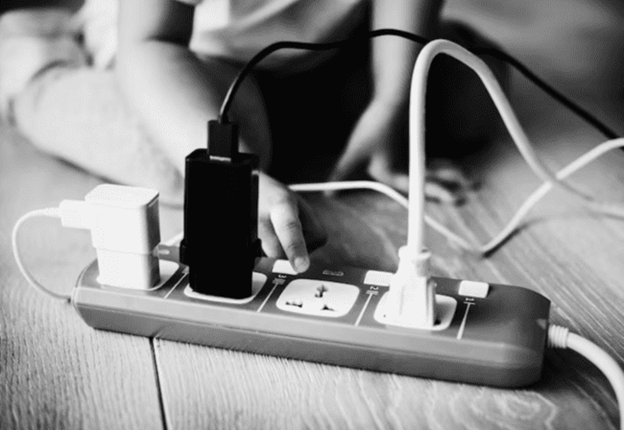
Bent plug blades prevent solid contact with the electrical outlet, reducing the flow of electricity and increasing the chance of overheating. The damage is likely to happen when a plug is dropped, thrust into an outlet, or pushed laterally when using. Even if the plug is only slightly bent, it may break the connection and cause undue strain to both the outlet and the extension cord.
How to Fix:
Never inspect the blades without unplugging the extension cord. Minor bends can be carefully straightened with insulated pliers, provided that the metal remains unbroken and does not become weaker. However, when the blades have been damaged or can no longer fit safely into the outlet, insert a replacement plug with the correct rating. Additionally, do not force a broken plug into an outlet, as it may damage not only the plug but also the receptacle.
- Cracked Plug Housing
The plastic housing around an extension cord plug protects the internal wiring from moisture, dirt, and accidental contact. Cracks commonly develop after repeated impacts, prolonged outdoor exposure, or years of regular use. A damaged housing can allow water or debris to reach energized components, increasing the risk of electrical shock or short circuits.
How to Fix:
Stop using the extension cord as soon as you notice cracks in the plug housing. If the damage is limited to the plug and the rest of the cord remains flexible and free from cuts, replacing the plug is usually the safest repair. However, if moisture has entered the cord or the insulation also shows signs of wear, replacing the entire extension cord is the better long-term solution.
- Burn Marks Or Melted Plug

Burn marks, melted plastic, or a burnt smell around an extension cord plug usually indicate excessive heat. Overloaded circuits, loose electrical connections, or using a cord with the wrong amperage rating are some of the most common causes. Continuing to use a heat-damaged plug can increase the risk of electrical failure or fire.
How to Fix:
Unplug the extension cord immediately and inspect both the plug and the wall outlet for signs of heat damage. Replace any plug with melted plastic, burn marks, or damaged blades. Before using the cord again, confirm that the extension cord is rated for the voltage and amperage required by your equipment. If heat damage extends into the cord insulation, replace the entire extension cord instead of only the plug.
5. Exposed Wires Near Plug
Exposed wires near the plug create one of the most serious electrical hazards. The insulation can wear away from repeated bending, improper storage, or pulling the cord by the cable instead of the plug. Once the conductors are exposed, the risk of electrical shock, short circuits, and moisture damage increases significantly.
How to Fix:
Do not wrap exposed wires with household tape and continue using the cord. If the damage is confined to the plug end and the remaining cord is in excellent condition, replacing the plug may restore safe operation. However, if the insulation damage extends beyond the plug or multiple sections of the cord are affected, replace the entire extension cord to maintain safe electrical performance.
6. Wrong Plug Type Or Rating
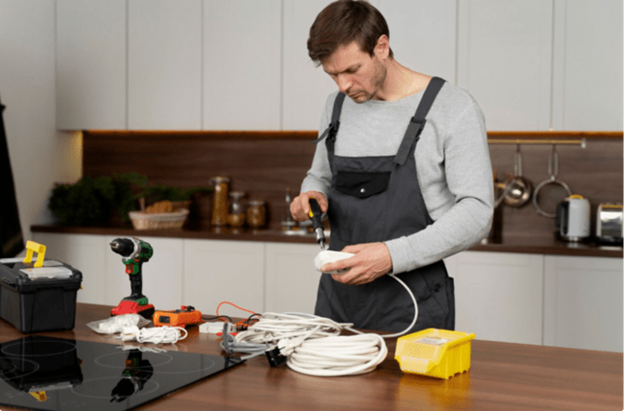
Not every replacement plug is compatible with every extension cord. Using the wrong voltage, amperage, wire gauge, or grounding configuration can create unsafe electrical conditions and shorten the life of the extension cord. An indoor-rated plug may also fail when used outdoors or in damp conditions.
How to Fix:
Select a replacement plug that matches the original cord’s voltage, amperage, wire gauge, and grounding requirements. If the extension cord is designed for outdoor use, choose a weather-resistant replacement plug that meets the same specifications. Choosing the correct replacement plug helps ensure reliable performance and reduces the risk of overheating or premature wear.
Conclusion
Even small extension cord plug problems can quickly become safety hazards if ignored. Regular inspections and timely repairs help prevent electrical issues, protect your equipment, and extend the life of your extension cords. When the cord is still in good condition, replacing a damaged plug is often the safest and most cost-effective solution.
If you’re looking for a reliable extension cord plug replacement, explore Americord’s collection of quality replacement plugs designed to match your cord’s voltage, amperage, and wire gauge for safe, dependable performance.