



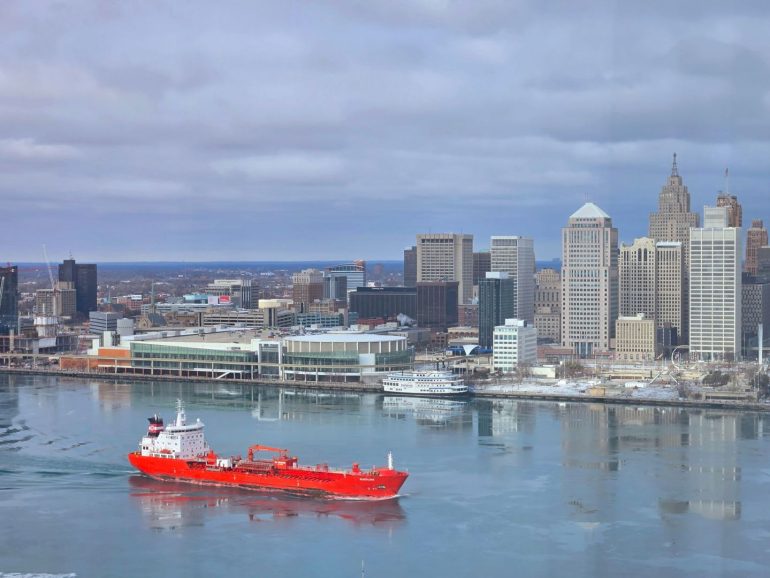
Detroit gives action cinema something most cities have to fake: consequence. A camera can turn toward Michigan Central Station, the Packard Plant, or the riverfront and find a city that already carries work, wealth, loss and repair in its buildings. That visible record helps a film move faster. The audience doesn’t need a lecture on civic history before the first pursuit begins. The place has already done some of the telling.
Michigan’s entertainment identity has also moved past the old split between screen culture and leisure culture. The state now links film tourism with regulated online gaming, and both depend on public systems that people can check. The Michigan Gaming Control Board says it provides licensing and regulation for Detroit commercial casino gaming operations, and also licenses and regulates online gaming and sports betting operators.
A Deep Bench Of Locations
Action scenes need physical variety. A chase asks for routes, a standoff asks for a readable space, a thriller needs buildings that hold attention without swallowing the people inside them. Detroit can give a production downtown height one day and industrial width the next. That range helps directors avoid the vague city look that weakens so many genre films.
The best Detroit screen moments often gain force from address. Visit Detroit’s film guide connects the city with titles including True Romance and Out of Sight through its Detroit film guide. It also points to Transformers and Batman v Superman. Those films don’t all use the city in the same way. They draw from its streets when they need pressure, speed, or a public world with marks on it.
How Street Scenes Become Possible
A film city has to work on paper before it works on screen. Detroit’s Office of Special Events and Film says it issues a no-fee general film permit, and it asks productions to contact the office one month before filming through the city’s permit guidance. The same guidance points productions toward insurance needs. Those details give action crews a way to plan public scenes without guessing through the logistics.
A controlled public shoot changes what a director can attempt. Streets can close. Police support can be arranged. Residents and businesses can receive notice. That preparation helps a car sequence look forceful without turning the day into confusion. Chuck Norris films often trusted direct action geography. Detroit lets a newer production keep that directness while giving the frame more civic detail.
The City As An Action World
Detroit’s screen life depends on systems the viewer rarely sees. Film permits, location databases and city offices help turn public streets into workable sets. Michigan’s regulated gaming market has its own version of that public framework. The Michigan Gaming Control Board sets out its role in regulating Detroit commercial casino gaming and online operators.
For readers comparing legal Michigan gambling options, a casino comparison site can serve as a secondary reference because it organises state-specific casino information in one place. The official regulator remains the starting point for determining legal status. Casino.org is one example of a site that groups casino options by state and category. Such sites can help readers compare options before reviewing an individual operator’s terms. The sensible order starts with legality, followed by game range, while bonus details deserve separate attention because headline offers can come with conditions that affect their value.
Detroit’s action appeal begins with its recognisable public face. The city gives filmmakers roads, stations and old industrial sites that already look tied to work and movement. The Michigan Film and Digital Media Office says Michigan has more than 6,000 individual filming locations in its database through its film programme. That gives crews a large working map rather than a handful of familiar blocks.
Real Detroit And Screen Detroit
Detroit has a double life in film. Some productions shoot there and let real sites carry the scene. Others set a story there while filming elsewhere. Visit Detroit notes that RoboCop was set in Detroit but filmed largely in Dallas through the same film guide. That gap shows the city’s unusual power in American action. Even when a crew leaves Michigan, Detroit can remain the name that gives the story its charge.
Screen Detroit often deals in pressure: institutions under strain, streets with memory and characters moving through systems bigger than themselves. Actual Detroit gives filmmakers a firmer base for that material. The Avengers films often build action through vast digital worlds. Detroit offers another register. A director can put spectacle against a real building and let the contrast do work without overexplaining the scene.
Locations That Outlive The Release
Action films don’t end at the credits for many viewers. Fans search for the street. They compare the scene with the actual building. They turn a film location into a reason to visit. Michigan’s film office says its Reel-Tourism module holds production and location information for work shot in the state since 1940 through its film tourism material. That turns screen memory into a public record.
The Batman v Superman tour app showed how that can work in practice. Michigan’s film office said the mobile tour identified 12 Detroit shooting locations from the Warner Bros. release. The list included Belle Isle and Michigan Central Station through the same state film resource. A superhero release then becomes more than a weekend box-office event. It becomes a route through the actual city.
Why Detroit Keeps Holding The Frame
Detroit works for action because it gives filmmakers more than a backdrop. It gives them legible streets and a public identity the audience can read fast. The city can support a crime story or a superhero collision because it already contains several American stories at once. Auto history, music history and sports culture all sit close to the surface.
That density explains why the city keeps returning to genre film. Producers get locations with character. Viewers get places they can recognise and revisit. Michigan’s regulated gaming market adds another part to the same entertainment identity, but cinema remains the spine of this piece. Detroit holds the frame because it feels like a real place under pressure, and action films depend on that sense of consequence.