



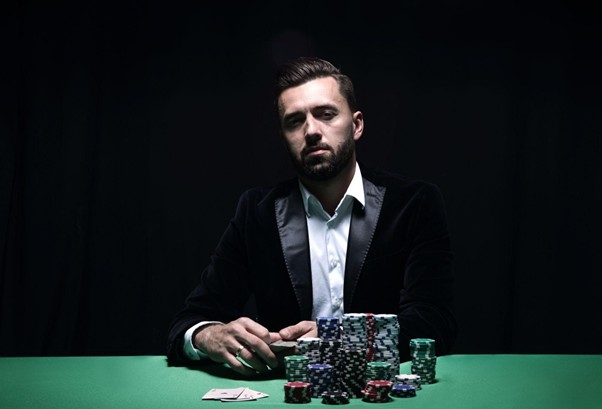
Action fans know a great staredown can hit as hard as a fight scene. Some of the best scenes in certain movies aren’t when there’s a punch or gunshot, but when two characters are sitting across from each other, waiting to see who cracks first.
And a great cinematic poker face will make or break that scene. A good poker face, after all, isn’t about hiding every emotion, but about controlling what the other person gets to see. Whether the scene takes place around a card table, in an interrogation room, or before a western shootout, the tension comes from tiny changes in expression and the question hanging over every silence: who really has the upper hand?
Why the Best Poker Faces Are Never Truly Blank
A convincing poker face isn’t completely expressionless. If an actor gives the audience nothing, you’ll find that the scene quickly loses energy. But truly memorable performances will be layered, usually leaving the slightest hint that something is happening beneath the surface.
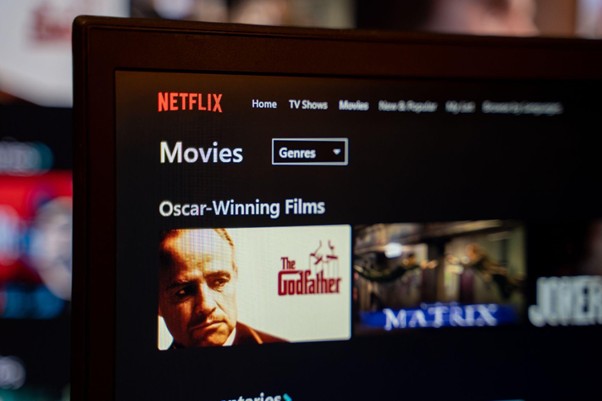
Michael Corleone in The Godfather is a perfect example. His calm expression rarely changes, but his measured pauses, steady eye contact, and strategic replies make every conversation feel loaded with meaning. And we as the audience keep searching for clues in his face and body language because we know something is going on, even if nobody in the scene can read him: a faint smile, a delayed answer, or a glance away. It’s the same kind of observation that appeals to players of online poker, where reading patterns, timing and decision-making often matter more than waiting for an obvious tell.
How Movies Teach You To Read a Tell
Films train audiences to notice behavior that people might miss in everyday conversations: a pause that lasts just a fraction too long, or eyes that break contact for a split second before a difficult decision. In real life, you might miss (or even misinterpret) these moments. In films, though, directors will isolate them with close-ups or silence, encouraging viewers to judge every reaction for themselves.
The same principle can be applied to poker, because even though players don’t see faces, they can pay attention to timing instead. Someone who acts instantly every hand but suddenly takes much longer before raising has changed their playing rhythm. That tell may not automatically reveal a strong or weak hand, but it does give opponents another piece of information to consider.
So whether it’s a film or a poker table, recognizing patterns matters far more than looking for one dramatic giveaway.
Villains, Antiheroes, and Masters of Cool
Traditional heroes often wear their emotions on their sleeve. Villains and antiheroes certainly don’t (at least, most of the time).
That’s one reason characters like Anton Chigurh in No Country for Old Men feel so unsettling. He rarely raises his voice or rushes a decision, and the lack of visible emotion forces everyone around him to react first, giving him control before anything violent even happens.
The same is true of Clint Eastwood’s Man with No Name. Long before anyone reaches for a revolver, the confrontation has already started: his silence is part of the contest.
These characters are memorable because they choose and time their reactions carefully, making every small movement feel significant.
Video Editing Is the Secret Weapon
Actors deserve plenty of credit, but the editing is often what turns a good poker face into a great one.
A close-up on one character’s eyes, followed by a nervous reaction from their opponent, will tell the audience where the pressure is building, so when the camera cuts back to the same calm expression, viewers naturally assume that the character is still in control.
It’s also why poker-face scenes often feel more intense on screen than they would in real life. Films guide our attention with every cut, every pause and every reaction shot. They decide which details we notice and which ones we miss.
Beyond the Card Table: Poker Faces Across Cinema
Poker faces aren’t genre-specific, which means that some of cinema’s best poker faces don’t appear in poker films at all.
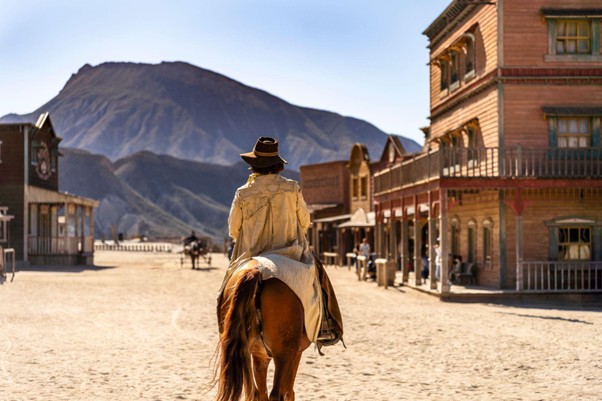
Westerns are built around long standoffs where nobody wants to blink first, while crime thrillers often revolve around interrogations where suspects reveal more through hesitation than through what they actually say. Martial arts films, on the other hand, feature fighters who refuse to show pain until the decisive moment.
These moments are truly satisfying even when there are no cards involved. There’s something mesmerising about watching two people compete for psychological control.
Why Fans Keep Debating the Greatest Poker Faces
Ask ten film fans to name the greatest poker face in cinema and you’ll probably get ten different answers. And a part of that’s obviously down to personal preference, but there are certain factors that may influence their reasons.
Some prefer completely controlled performances that reveal almost nothing. Others enjoy characters who briefly let confidence, irritation or amusement slip before regaining control, because the tiny flashes of emotion make a performance feel more believable with the reminder that maintaining composure takes effort.
The debate itself is also part of the appeal of cinematic poker faces. One viewer might choose Michael Corleone’s quiet restraint. Another might argue that Anton Chigurh‘s unsettling calm is harder to read.
The Face That Says It All
At the end of the day, the most iconic film poker faces have never really been about cards. They’re about control under pressure, carefully chosen reactions and knowing exactly when to reveal something and when to hold it back.
Great actors, thoughtful editing and well-written characters all play a part, but the real tension comes from making the audience hooked on every micro-expression. We keep studying the smallest glances and the briefest pauses (even barely-there eyebrow tilts) because we think the next clue is about to appear.
Whether it’s Bond staring across a poker table or a lone gunslinger waiting for the first move, the best poker faces remind us that silence can be just as gripping as action.