


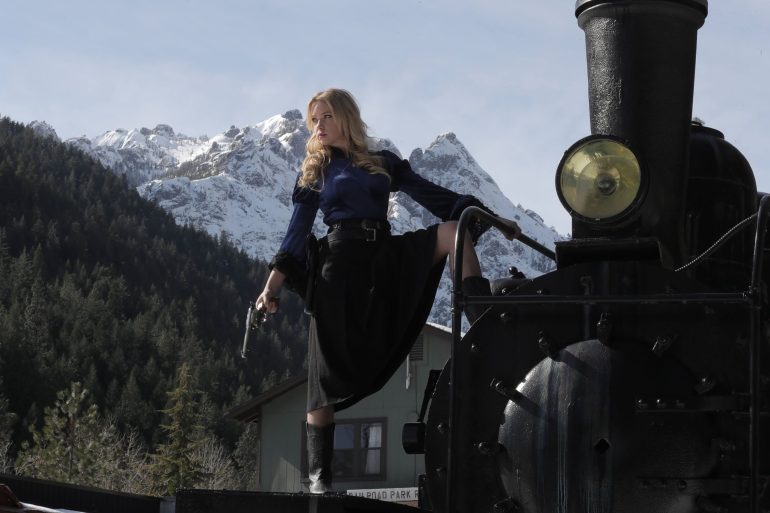
Rehearsal gives the stunt coordinator a chance to assemble the sequence step by step. Rehearsal also lets the stunt coordinator check how well the timing works. Rehearsal allows the stunt coordinator to watch how each performer handles the moves.
Actors must take time to discover where they are going. Actors must take time to discover how they should respond. Actors must take time to discover what the feeling behind the scene actors should be.
Stunt performers must also ensure that their actions match the camera. Stunt performers must also ensure that their actions match the team.
Start With the Action the Scene Needs
Location scouting should begin with the scene rather than with a list of attractive places. A hand-to-hand fight needs different conditions from a vehicle chase. A rooftop sequence requires different planning from an explosion in an industrial area.
The director and stunt coordinator should first understand how the characters move through the scene. Where does the action begin? How does it develop? Where does the main stunt happen? How much distance is needed between performers, vehicles, and cameras?
Once these questions are clear, the location scout can look for spaces that support the choreography. A visually dramatic location that forces the stunt team to redesign the entire sequence may not be the strongest choice.
Scout for More Than the Camera Angle
Good location scouting is as much about considering things beyond the frame as those within it. An alley may look perfect for a fight scene, but the production also needs space for cameras, lighting, stunt mats, equipment, and crew.
A bridge may be the right place to shoot a chase scene, but traffic restrictions may make filming there a problem. During location scouting, the team should check access, surfaces, stairs, ceiling height, traffic, power, parking, crew areas, noise, and possible camera angles. If possible, the team should walk through the planned action during the scout
Sometimes, going through the location makes it clear what problems cannot be seen in photos. World Production Service can help filmmakers with location scouting by identifying suitable filming locations while considering access, crew requirements, technical needs, local restrictions, and production logistics. When filming in another country, local crew members can provide useful information about access times, traffic, nearby suppliers, and location restrictions.
Consider the Stunt Requirements Early
Action locations should be reviewed with the stunt coordinator before they are confirmed. A fall may require a specific landing area. A vehicle sequence needs enough road to build speed and reset safely. A fight may need room for performers to move while camera operators remain clear of the action.
Some locations look larger on camera than they actually are. The stunt team can help determine whether the planned action fits the physical space and whether changes are needed. This discussion should happen before contracts, permits, and accommodation are booked.
Changing a location late can affect multiple departments at once, including transport, equipment rental, art direction, lighting, and the shooting schedule.
Check Filming Permits and Local Regulations
Film productions may include actions requiring more permissions than a regular dialogue shoot. Filming on public roads, city streets, historic sites, private property, or controlled areas may require special permits.
Car stunts, drones, special effects, large crews, and other action activities may require additional permissions depending on the location. Thus, it is necessary to look into local laws during location selection. It is unwise to think that if something was possible to film in one country, it could be filmed the same way in another.
The help of an experienced local producer or production manager will be useful in determining who owns the location and what must be confirmed. The final responsibility still sits with the production, but local knowledge can help avoid unrealistic plans.
Think About Camera Access
An action location needs to work for the camera as well as the performers. The director and cinematographer should consider whether the location provides enough useful angles to tell the sequence clearly.
A chase might look exciting from one end of a street but become difficult to cover from anywhere else. A fight may need both wide shots that show the movement and closer shots that capture reactions and impact.
Camera access can also affect equipment choices. Some locations allow dollies, cranes, tracking vehicles, or larger stabilization systems. Others may require a smaller camera package because of stairs, narrow entrances, or restricted movement.
This is where early discussions with equipment rental suppliers can help. The production can choose a package that suits the real conditions rather than designing the shoot around equipment that is difficult to use there.
Calculate the Real Logistics Around the Location
A location should be judged by more than its location fee. Production logistics can make an apparently affordable location expensive. How long does the crew need to travel there? Where will vehicles park? How far must equipment be carried? Is there space for makeup, wardrobe, catering, and holding?
Remote locations can require additional transport, accommodation, power, and communication planning.
Filming abroad often involves complex logistics, and World Production Service helps coordinate crews, locations, transport, accommodation, and other production needs while navigating challenges such as traffic and limited access.
For an international film shoot, accommodation should also be considered when comparing options. A cheaper hotel far from the set may increase daily transportation costs and shorten the useful shooting day.
The practical cost of reaching and operating at the location matters just as much as the price of filming there.
Check Local Crew and Equipment Availability
Action productions can require more specialist support than ordinary shoots. Before committing to a destination, producers should check whether the local market can provide experienced crew, camera support, grips, stunt personnel, drivers, and technical equipment.
A strong local production crew can reduce the number of people who need to travel internationally. Local equipment rental can also reduce freight and customs work. However, filmmakers should confirm exact availability. A city may have excellent general production infrastructure but limited access to a particular camera rig, stunt system, lens package, or vehicle mount.
If specialist equipment needs to travel with the production, customs requirements should be planned well in advance.
Weather Can Change the Action
Weather affects action scenes more than filmmakers sometimes expect. Rain can change the grip of a road or floor. Strong wind can affect camera rigs, lighting, or stunt work. Extreme heat can make physically demanding sequences harder for performers.
During location scouting, research typical conditions for the proposed filming dates. Do not rely only on broad seasonal descriptions. Look at rainfall, daylight, temperature, and wind conditions when they could affect the sequence.
For important exterior scenes, prepare a backup location or alternative schedule. A second location may not look the same, but it should allow the production to continue if the primary location becomes impractical.
Consider What the Location Adds to the Story
Action setting must never be chosen solely because it seems fancy and lavish. The best settings enhance the scene. A cramped apartment would create a claustrophobic and uneasy atmosphere during a fight scene. The wide road through the desert would add to the isolation of the scene. The crowded market would raise tension, as the characters do not have much space to maneuver around.
The environment can serve as an element of choreography. Things such as doors, stairs, cars, walls, pieces of furniture, and changes of elevation can all affect the way the action proceeds. If the setting works well within the story, the action will be better connected to the film.
The Right Location Balances Creativity and Practicality
Location selection for an action film is a part of the production process as much as it is a creative one. It has to look good, but it also has to serve the purpose of the stunts, the camera, permissions, production logistics, equipment rental, transportation, weather conditions, etc.
In the case of an international production, the local knowledge becomes all the more valuable. An experienced local production crew can help directors learn the practical sides of the chosen location even before the arrival of the whole crew there. Not always the most spectacular location will become the best choice for the film.
Sometimes a somewhat less spectacular, but more accessible location with better support of the locals, reasonable permissions, and enough space to do the job will give the director an opportunity to control the final result much better than he/she would be able to do otherwise. Good action requires movement, timing, performance, and proper camera angle.