


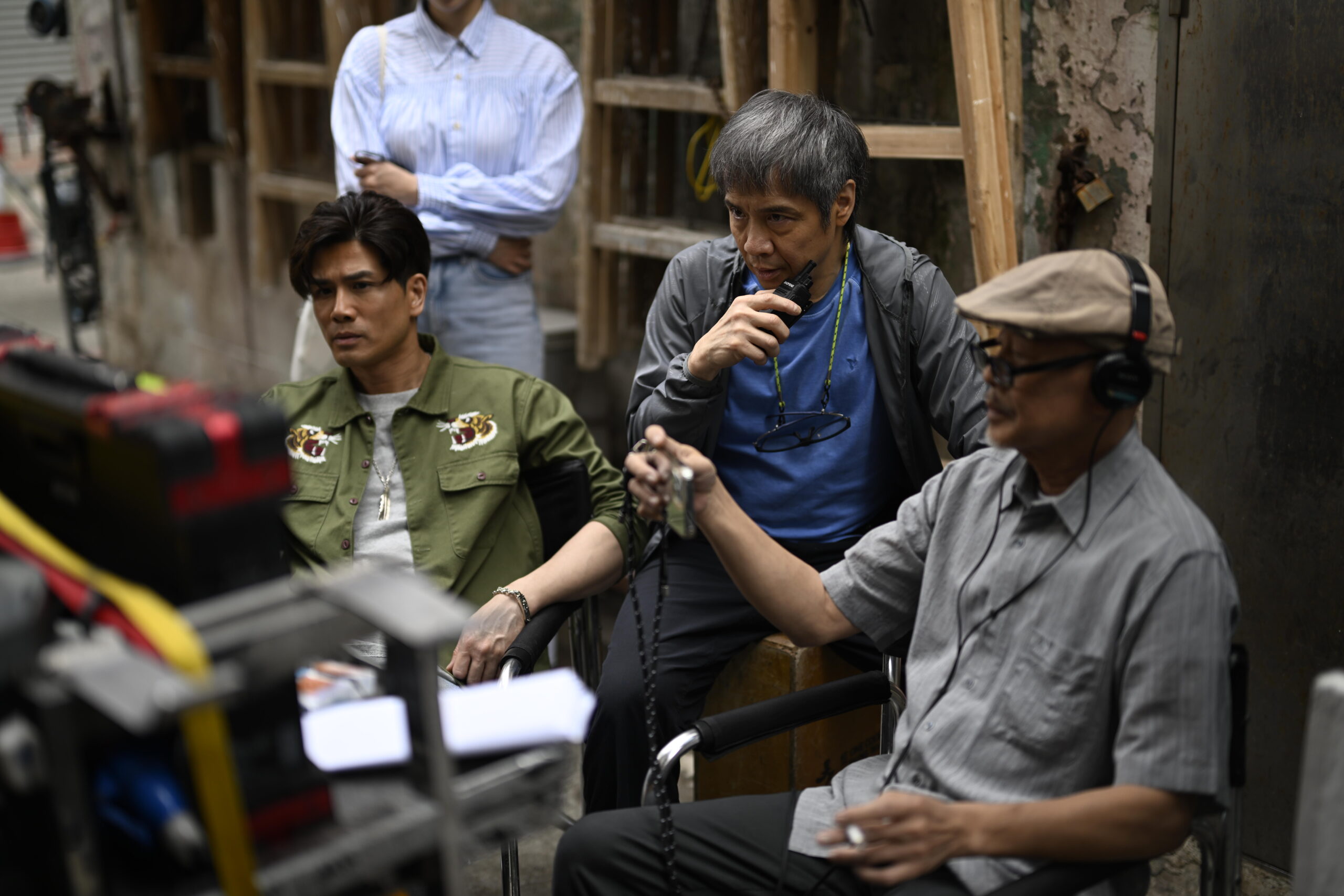
A great action sequence may last only a couple of minutes on screen, but it usually takes a team of professionals to make the scene happen. Stunts, fights, races, falls, explosions, and many other spectacular shots require not only professional expertise and careful camera work but also a suitable location, careful blocking for both the production team and the audience, and an all-around practical approach to realize an idea while keeping everyone safe.
It all becomes critically important when working in another country with a team that might not know the rules of the local location and its specifics very well. Such projects certainly require an unparalleled level of preparedness compared to shooting within one’s home country or region.
With the right level of preparation, independent filmmakers can accomplish far more without wasting limited time and resources
Start With the Story, Not the Stunts
Before designing punches, crashes, or explosions, decide what the scene needs to achieve. Good action should move the story forward. A fight between two characters should reveal something about the characters. A chase should have an objective. The audience needs to understand who is pursuing whom, what is at risk, and how the situation changes during the sequence. This gives the stunt coordinator and director a foundation.
Instead of saying, “We need a big fight here,” the team can break the sequence into smaller dramatic moments. One character may begin with an advantage, lose control halfway through, and then have to change tactics.
Once that structure is clear, choreography can be designed around the story rather than added simply because a particular stunt looks impressive.
Bring the Stunt Team Into Pre-Production Early
One of the easiest ways to create problems is to bring a stunt coordinator in only after locations and schedules have already been confirmed. Action affects almost every production department.
A fight may require additional rehearsal days. A fall could need rigging points. A vehicle sequence may change road access requirements. Breakaway props or special effects might need to be prepared well before the shoot. These practical demands are why specialist coordination needs to begin early, with stunt action services through World Production Service (WPS) supporting the planning and execution of physically demanding sequences.
The stunt coordinator should therefore be involved while the sequence is still being planned. For complicated scenes, the team may create a simple previsualization. This does not need expensive technology. Rehearsing the scene in a training space and recording it with a phone can already help the director understand movement, timing, and possible camera positions.
It also allows everyone to see where a complicated idea may need simplifying before it reaches the set.
Scout Locations With the Action in Mind
Location scouting for an action scene is very different from scouting a dialogue scene. A narrow alley may look perfect for a fight. There might not be enough room for the camera, lighting, stunt pads, and crew.
A mountain road may look ideal for a chase while offering no safe areas for equipment vehicles. Creating action-driven productions in new locations involves careful planning, with World Production Service supporting filmmakers through local expertise, production coordination, and essential on-ground services.
During location scouting, walk through the action as realistically as possible. Look at entrances, exits, surfaces, stairs, ceiling heights, traffic, surrounding buildings, and places where crew members can safely work.
For a film production, local knowledge is particularly valuable here. A local production crew can explain when a street becomes busy, whether vehicle access is restricted, and whether there are alternatives nearby. The location has to serve the action, not the establishing shot.
Confirm Permits and Local Regulations
Action scenes often involve activities that receive more attention from authorities and property owners than ordinary filming. Road control, simulated fighting, drones, special effects, vehicles, large crews, replica weapons, and public-space filming may all require additional planning.
Filming permits should therefore be checked early. Requirements depend on the destination and the specific activity. Local regulations may also determine what can be done at a location and which qualified personnel need to be involved. Do not assume that something allowed on a previous production will automatically be permitted in another country.
This is another area where experienced local production staff can save time. They can help identify the correct contacts and make sure the production understands what needs to be confirmed before the shooting day.
Design the Action Around the Budget
Action becomes expensive when the production tries to solve everything at the last minute. Vehicles, stunt performers, special effects, additional cameras, rehearsal space, safety equipment, permits, and longer shooting days can quickly increase the budget.
Independent filmmakers should decide where the sequence really needs scale. Sometimes one planned practical stunt is better than several complicated parts that don’t get enough time to rehearse.
The shooting approach matters too. Covering every movement from several cameras may sound safer, but it can require more operators, equipment, lighting, and setup time. A clear shot plan allows the production to spend resources where the audience will actually see the difference.
Keep contingency money as well. Action scenes have more moving parts, and unexpected changes can be expensive.
Decide What Equipment Needs to Travel
International action productions need to think carefully about equipment. Specialist camera rigs, wireless monitoring, high-speed cameras, vehicle mounts, stabilizers, or stunt equipment may need to travel with the production.
Standard lighting, grip, sound, and camera support may be available through local equipment rental companies. Confirm availability rather than assuming. If equipment is crossing international borders, customs should be planned early. Prepare accurate inventories and allow enough time for temporary import procedures where required.
A delayed specialist rig can force the entire action sequence to change. Local equipment rental can reduce some of that risk, especially for larger items that are difficult to transport.
Rehearse Before the Full Crew Is Waiting
Rehearsal is one of the cheapest ways to improve an action scene. Stunt performers can learn the choreography slowly before increasing speed. Actors can understand where their movements fit into the sequence. The director and cinematographer can identify which parts actually need to be shown.
Rehearsal also reveals problems. A move may look good on paper but feel awkward in the real location. A performer may block the camera during an important moment. A sequence may simply take much longer than expected.
Fixing these issues during rehearsal costs far less than solving them while the entire production crew is standing by.
Actors should also be given enough time to learn the movement they are expected to perform. Trying to teach complicated choreography immediately before filming usually slows the shoot rather than saving time.
Plan the Camera With the Choreography
Good choreography can become confusing if the camera does not present the movement clearly. The director, cinematographer, and stunt coordinator should discuss where the audience needs to be during each part of the sequence.
Wide shots can establish the geography of the scene and help the audience understand the performers’ movements. Closer shots can show impact and emotion. Moving cameras can add energy, but constant movement does not automatically make a scene more exciting. The camera should make the action easier to follow.
This is another reason previsualization is useful. Even a rough rehearsal recording can reveal whether a planned angle hides an important movement or makes the geography confusing.
Build Production Logistics Around the Sequence
Action scenes frequently take longer than expected because the production logistics around them were underestimated.
Moving vehicles back to their starting positions takes time. Stunt equipment needs resetting. Costumes may need replacing. Props can break. Makeup may need to restore continuity after each take.
Transportation and accommodation also matter during an international shoot. Keeping key crew close to the location can help when early call times are required. Local drivers who understand the area can reduce delays when several vehicles need to move between the unit base and the set.
The schedule should include realistic reset and rehearsal time rather than assuming the scene will progress like ordinary coverage.
Prepare for Weather and Location Changes
Exterior action scenes are especially vulnerable to weather. Rain can change the grip of a surface. Strong wind may affect equipment or stunt work. Heat can make physically demanding scenes harder for performers and crew.
Weather should therefore be considered as part of the stunt plan, not simply as a photography issue. For important exterior sequences, identify a backup location or alternative shooting plan.
A replacement location will rarely be identical, so the stunt team needs enough information to understand how the choreography would change there. Flexibility is much easier when those decisions have been discussed before the weather turns.
Clear Communication Keeps the Set Moving
Action scenes involve departments at once. Action scenes rely on stunts, camera work, lighting, special effects, props, wardrobe, makeup, locations, transportation, and production to all understand what is happening.
During a film shoot, language and cultural differences can add another layer. A bilingual production coordinator can be extremely useful when detailed technical instructions need to move between a creative team and the local production crew.
Before each setup, everyone involved should understand the sequence, their position, and what happens if the take is stopped. Complicated action becomes much easier to manage when there is one plan instead of several departments making separate assumptions.
The Best Action Is Usually Won in Preparation
Great action scenes do not happen simply because a production arrives on set and hopes for the best. They are built through careful story decisions, choreography, location scouting, rehearsals, budgeting, equipment planning, permits, and production logistics
Productions filming in another country have additional logistical and regulatory considerations. A skilled local production team can help filmmakers understand local regulations, suitable filming locations, transportation, crew options, and production limitations before they become problems.
There will always be changes once the filming starts. The weather can change. The actors might perform differently. Some ideas may not work the way they were planned when the camera is finally rolling. That ability to change is part of the process.
When the planning is good, the team can make changes without losing control of the scene. The result is action that looks exciting on the screen because the planning made it possible for everyone to do their job correctly.