



Action sports are built on spectacle, extreme conditions, speed, risk, and elite skill. Whether in combat sports, motocross, or the films that popularised them, action culture emphasises the dramatic and demanding.
Meanwhile, precision-based activities such as darts and pool have become increasingly popular among action sports fans. Unlike the spectacle and risk associated with action sports, these games have moved beyond their pub origins. They are now recognised as legitimate competitive sports, with professional leagues, substantial prize pools, and broadcast coverage that rivals mainstream sporting events.
It is now common for fans to watch fights on a Saturday afternoon and spend the evening playing darts or pool with the same level of focus and intent.
Why Equipment Quality Matters More Than It Appears
In combat sports, equipment has always played a critical role in performance, safety, and progression. A poorly made mouthguard, ill-fitting gloves, or low-quality protective gear can negatively affect performance, even when training levels are equal. This highlights that equipment quality is just as important as physical preparation.
The same principle applies to precision hobbies, though in different ways. In darts, for example, unbalanced equipment or poor grip reduces consistency regardless of skill level. Dartboards made from inferior materials wear out quickly and affect scoring accuracy. Low-quality flights and shafts can break frequently, disrupting both practice and competitive play. In both fields, the right equipment directly influences outcomes.
Formula Sports offers equipment for darts, cue sports, and other precision games. Their range is designed to meet the expectations of players who prioritise consistency and performance. They supply retailers with performance-focused gear used by serious players. The difference between entry-level and tournament-grade equipment in precision hobbies mirrors the gap between beginner and professional gear in combat sports.
The Appeal of Measurable Skill Development
Both action sports and precision hobbies are built around measurable progress. A combat athlete who trains consistently develops better timing, stronger defence, and greater composure under pressure. A dart player who practises regularly sees improved scoring, tighter groupings, and more reliable finishes.
This consistent cycle of practice and improvement distinguishes active participation from passive viewing. Both categories welcome participants at all skill levels, offering clear pathways for development and a competitive environment where effort translates into visible results.
The Home Setup Revolution
One of the main reasons action sports fans are drawn to precision hobbies is accessibility. Building a home setup for combat sports often requires significant space, specialised equipment, and ongoing expense.
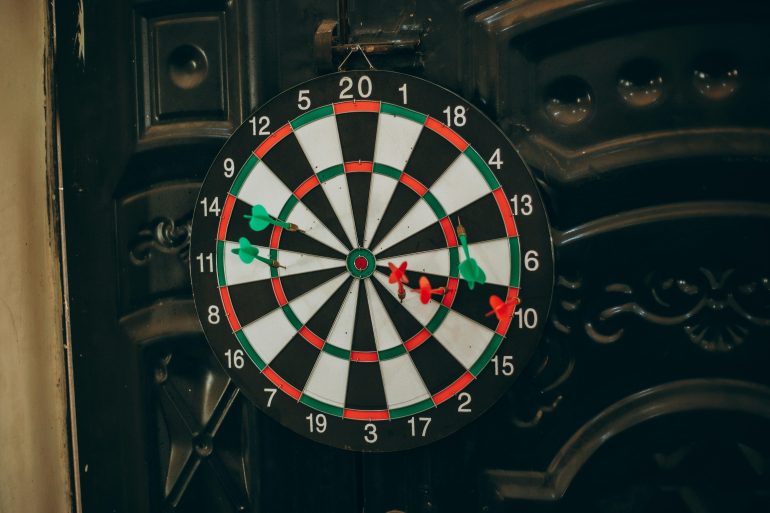
In contrast, a home dart setup with a quality bristle board, a proper throwing line, and a set of darts requires only a small area in a garage or spare room. The initial investment is relatively low, often comparable to a single month of gym membership.
This level of accessibility appeals to those who enjoy action sports but cannot consistently commit the time, cost, or physical effort required for high-intensity training. Precision hobbies provide a way to stay competitive and engaged without those barriers, which helps explain their growing appeal among this audience.
The Cinematic Connection That Shaped Modern Demand
Popular culture has also played a role in expanding interest in precision hobbies, particularly among action sports fans. Films featuring professional gamblers, pool players, and high-stakes competitions have helped position these activities as skill-driven and engaging.
Scenes featuring pool halls, competitive dart matches, and high-pressure environments are now widely recognised. They introduce these hobbies to audiences who may have previously viewed them as casual or recreational.
As a result, younger audiences are beginning to take these activities more seriously. The same mindset that drives fans to study combat sports or follow professional athletes is now influencing participation in darts leagues, pool tournaments, and other precision-based competitions.
Long-Term Appeal in a World of Fleeting Entertainment
Both action sports and precision hobbies maintain long-term appeal because they offer depth. Beginners can steadily develop their abilities, while experienced participants continue refining advanced techniques. Each stage provides new challenges and rewards.
For those who can no longer meet the physical demands of action sports due to age, injury, or lifestyle constraints, precision hobbies present a practical alternative. While the intensity differs, the sense of competition and progression remains. Skill development is measurable, and the community engagement is comparable to that found in combat and extreme sports.
A Shift in How Competition Is Experienced
Precision hobbies offer a different form of competitive intensity, centred on control, consistency, and technical execution rather than spectacle. They are accessible at entry level yet offer significant depth over time.
As more participants move toward these activities, precision sports are establishing themselves as a lasting and meaningful part of the broader sporting landscape.