



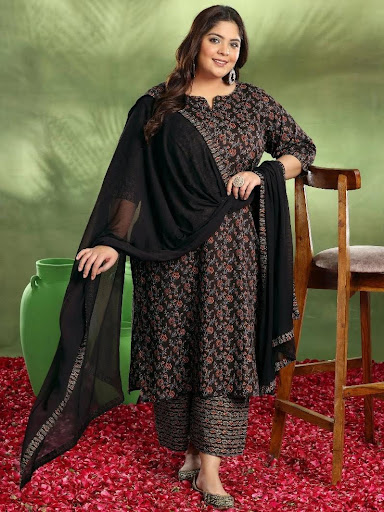
Most closets aren’t actually empty; they’re just full of the wrong things. You open the door every morning, stare at rows of clothes, and still feel like you have nothing to wear. The problem usually isn’t quantity. It’s alignment. A wardrobe that works isn’t built around trends or impulse buys; it’s built around how you actually spend your days. Get that right, and getting dressed stops being a daily negotiation and starts being effortless.
Here’s how to build one.
Start With Your Lifestyle, Not Your Closet
Before you touch a single hanger, get honest about how you spend your time. Break down a typical week: How much of it is work? How much is casual, errands, school pickups, coffee runs? How much is social, and how often do “real” occasions come up?
Most people’s closets don’t match these numbers. It’s common to have a closet stacked with going-out clothes when 80% of life happens in casual or work settings, or a wardrobe full of “someday” pieces for a lifestyle you don’t currently have. The fix starts with buying and keeping for the life you’re actually living, not the one you wish you had or used to have.
Personal Stylist Meg Gallagher on Letting Go of Who You Used to Be
This is often the hardest step, because it means letting go of the wardrobe you thought you’d need rather than the one you actually reach for. As personal stylist Meg Gallagher points out, it can also mean admitting that your style has changed, that the version of you who worked in an office five days a week, or went out most weekends, isn’t who you are right now. Once you can look at your closet through the lens of your current week rather than a past or imagined one, every decision that follows gets easier.
Audit What You Already Own
Once you know your lifestyle breakdown, sort your current wardrobe into three piles: pieces you love and wear often, pieces you wear but don’t love, and pieces you never touch. This single exercise reveals almost everything.
Think in terms of cost-per-wear rather than price tag. A $200 blazer worn every week is a better investment than a $30 top that’s hung in the closet, tags attached, for a year. This audit also exposes the real gaps and redundancies in your closet; you might discover ten black tops and zero pants that actually fit well, or a drawer of workout clothes but no reliable work outfit.
Define Your Style Foundation
With the audit done, get clear on your personal style foundation. This starts with a core color palette: a few neutrals you build around, plus two or three accent colors that show up again and again. Next, identify the silhouettes and fits that consistently work for your body, the cuts you reach for without thinking.
Finally, pick three to five words that describe how you want to look and feel: polished, easy, warm, bold, quietly confident. These words become a filter for every future purchase. If a piece doesn’t match them, it’s probably not worth buying, no matter how good it looks on the hanger.
Build a Capsule Around Your Real Life
Now bring your lifestyle categories and your style foundation together. For each category — work, casual, social, occasion identify a handful of anchor pieces that reliably work. The goal is a wardrobe where items cross categories, multiplying your outfit options instead of locking pieces into single-use roles.
A useful ratio here is 80/20: roughly 80% of your closet should be versatile basics that mix and match easily, and 20% can be statement pieces that add personality and interest. This keeps the wardrobe functional without making it boring.
Fill the Gaps Strategically
With your audit and foundation in hand, build a needs list based on actual gaps, not what’s trending or what you saw on someone else. Prioritize purchases by versatility and cost-per-wear: the pieces that will earn their place across multiple outfits and multiple seasons come first.
This is also where it helps to decide where to invest and where to save. Reserve higher spending for foundational pieces you’ll wear constantly outerwear, well-fitting trousers, a great pair of shoes and save on lower-stakes, trend-driven pieces that may not last beyond a season.
Maintain and Evolve It
A working wardrobe isn’t a one-time project; it’s a system you maintain. Build in seasonal check-ins to assess what’s earning its keep and what isn’t. Adopt a simple one-in-one-out habit to prevent the slow creep back into closet clutter.
And remember that your lifestyle will change; a new job, a move, a new season of life, and your wardrobe should be allowed to change with it. The goal was never a “perfect” closet. It’s a closet that keeps working as you do.
The Bottom Line
A wardrobe that works isn’t about owning more, or owning the latest. It’s about owning what actually fits your life. Start with how you live, audit honestly, define your foundation, and build with intention, and getting dressed stops being a chore and starts being one less decision you have to make each day.