



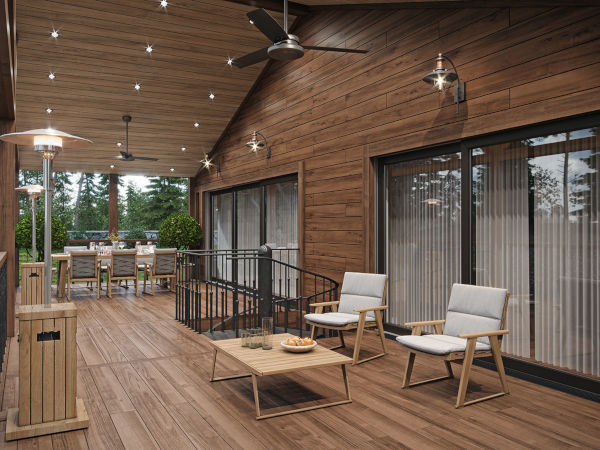
Adding a home extension is one of the most effective ways of improving your home and increasing its value. However, the success of the entire project depends solely on one of the vital factors – the selection of the right professionals who will implement the design of your home extension.
The architect will draw the plan, the structural engineer will calculate the loads; however, only the experienced extension builder will make all that come true. In case of the wrong choice, your project can suffer from delays and non-compliance, but if you work with skilled people, the entire process will run smoothly and according to schedule. Whether you’re planning a sunlit kitchen-diner or a multi-storey addition, this guide covers how to evaluate contractors, budget wisely, and secure the ideal team for your project.
Types of Home Extensions
Before you start talking to any contractors, it is important to identify what kind of extension you want to build, because different extensions require different knowledge, materials and planning.
- Single-Storey Extensions: Very popular for opening up the back living spaces or creating a large kitchen dining area. When searching for a single-storey extension builder, make sure they are proficient in groundworks, roofing, and perfect integration with the exterior.
- Double-Storey Extensions: Having additional space in two storeys gives you maximum value for every square meter invested. It demands professional knowledge and skills in structure and timber work or stonework.
- Rear and Side-Return Extensions: Popular in urban terraced or semi-detached properties; it makes use of side alleyways or garden footprints to convert small areas into spacious open-plan areas.
- Over Structure Extensions: Extending over the existing structure (like a garage or porch) ensures that no garden is lost while doing so, but it involves strict examination of the existing structure by the Structural Engineer.
Key Responsibilities of a Home Extension Builder
A professional builder for a house extension does much more than laying bricks. He is actually the driving force behind your building site:
- Trades Coordination and Site Logistics: Managing sub-contractors (plumbers, electricians, plasterers, roofers) to achieve a logical flow of work.
- Compliance with Building Control Legislation: Any alteration made to your property needs to strictly comply with Building Control regulations.
- Procurement and Quality Management: Supplying quality products at a competitive price while checking the standard of workmanship at each stage of your project.
- Carrying Out House Extensions According to the Drawings: Only working according to the plans submitted by your architect and structural engineer.
How to Choose the Right Extension Builder
Identifying a reliable builder will involve thorough investigations. The following are the measures that should be taken during the selection process of candidate builders:
- Verify Credentials & Trade Memberships
Consider hiring builders who are members of trade associations such as the Federation of Master Builders or National Federation of Builders. Being members of trade associations implies adherence to high standards of professional practice.
- Inspect Past Projects & References
Ask candidate builders to provide references to similar work that they have done in the past. Contact previous customers to evaluate how they managed unforeseen circumstances, punctuality, communication, and their general conduct.
- Compare Detailed Quotes (Tenders)
Do not just rely on estimations. Always ask for detailed tenders showing the comparison of the same itemized costs for groundworks, materials, labor, fittings, and VAT. This will prevent future surprises.
Essential Questions to Ask Before Hiring
Before committing yourself to any agreement to employ the extension builder, ask all the following questions during a comprehensive interview:
- Timeframe: “When would you say your timeframe is, and when could you realistically start?”
- Insurance: “Do you have valid Public Liability and Employer’s Liability Insurance for structural alteration works?”
- Permissions: “How will we establish whether our work comes within Permitted Development rights or needs official Planning Permission?”
- Agreement & Variations: “What sort of contract do you operate (e.g., JCT or FMB contract)? How are the budget overruns and mid-work design variations handled?”
- Site Manager: “Who is going to be our site manager?”
Cost Considerations and Budgeting
Understanding the financial landscape prevents budget shortfalls halfway through the build.
Average Extension Costs
Costs vary based on location, site accessibility, design complexity, and specification level.
| Extension Type | Est. Cost per m² (Standard) | Est. Cost per m² (Premium/High-End) |
| Single-Storey Extension | £1,500 – £2,200 / $180 – $250 per sq ft | £2,200 – £3,000+ / $250 – $350+ per sq ft |
| Two-Storey Extension | £1,400 – £2,000 / $160 – $230 per sq ft | £2,000 – £2,800+ / $230 – $320+ per sq ft |
| Rear / Side Return Extension | £1,800 – £2,500 / $200 – $280 per sq ft | £2,500 – £3,500+ / $280 – $400+ per sq ft |
| Over-Garage Extension | £1,600 – £2,300 / $190 – $260 per sq ft | £2,300 – £3,200+ / $260 – $360+ per sq ft |
Important Budgeting Rules
- Maintaining a Contingency Budget: Always keep aside 10%-15% of your budget to cater for unexpected ground problems, plumbing and rewiring, and any other structural changes.
- Maintaining a Payment Schedule: Never pay the whole amount upfront. Make an agreement that will allow payments based on the progress made in the construction process (for example, completion of foundations, shell/roofing, plastering, signing off, etc.)
Conclusion
Selection of the best extension house builder relies upon proper preparation, communication, and selection of the right people. By validating the qualifications of the contractors, requesting quotes, and scheduling payments in a professional manner, you are ensuring yourself a smooth transition process.
Ensure that you look at past projects and ask the difficult questions beforehand, working hand-in-hand with your Architect and Building Control teams.