



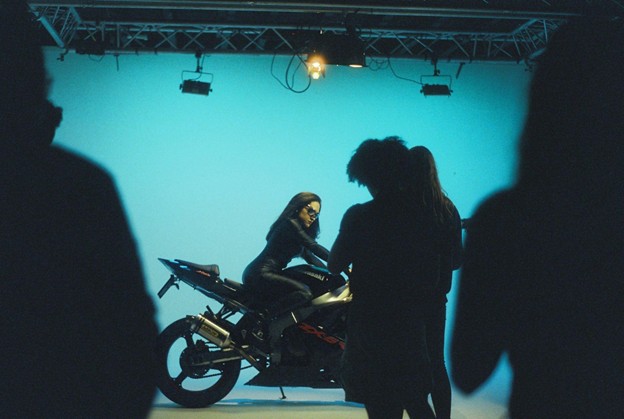
Action movies have a reputation for being expensive, and for good reason. Stunts, vehicles, locations, props, effects, extra shooting days, and large crews can push a budget upward very quickly. But a smaller production does not automatically have to look small.
The key is deciding what audiences will actually notice on screen. Spending more on a few important moments and cutting costs behind the scenes can produce a much stronger result than trying to make every scene equally ambitious.
Cut the Invisible Office and Production Waste First
Before reducing anything that appears on camera, look at the everyday costs surrounding the production. Printing, paperwork, expendables, storage, transportation, duplicated purchases, and unused supplies can quietly consume money without improving a single frame.
Production offices are particularly easy places for waste to build up. Old equipment and printer supplies may survive from previous projects even after the hardware itself has been replaced. If unopened toner is sitting around without a future use, www.selltoner.com provides a practical way to clear surplus supplies rather than simply leaving value trapped in storage.
Apply the same discipline to everything else. Check what the production already owns before renting or buying another version, centralize purchasing where possible, and avoid ordering large quantities merely because the unit price looks attractive.
Small savings here protect money for the scenes viewers will actually remember.
Build the Action Around a Few Strong Sequences
Trying to make every ten minutes of the movie spectacular is one of the fastest ways to stretch a small budget too far.
Instead, identify the two or three action sequences that define the film and give them priority. A well-planned chase, fight, or stunt sequence can carry far more weight than several underfunded scenes that all feel compromised.
Use quieter scenes to build anticipation and character between those moments. Suspense is inexpensive compared with destruction, and anticipation can make a relatively simple action beat feel much bigger when it finally happens.
Location choice can help too. A narrow hallway, warehouse, stairwell, parking structure, or isolated road can create natural constraints that make action feel intense without requiring hundreds of extras or elaborate sets.
Scale should come from tension and choreography, not only from the number of things exploding.
Spend More Time Planning So You Spend Less Time Shooting
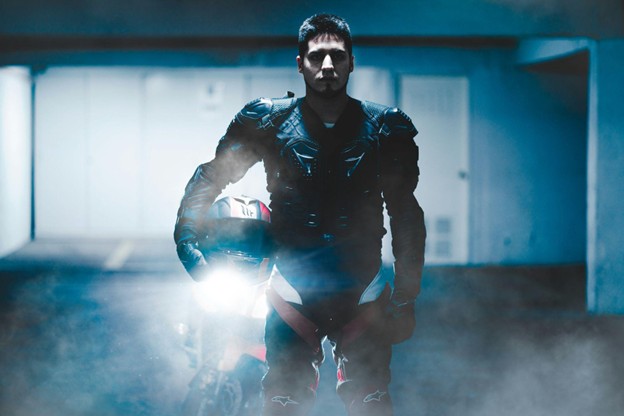
Photo by Alvaro Reyes on Unsplash
Poor preparation is especially expensive on an action set.
Storyboards, shot lists, rehearsals, stunt blocking, and location walkthroughs may feel like additional work before production begins, but they reduce wasted time once the crew is on the clock.
Know exactly what coverage you need. If a stunt requires only three angles to sell convincingly, shooting twelve may not add anything except time and rental costs.
Rehearse complicated movements without the full crew whenever possible. Actors, stunt performers, camera operators, and coordinators can solve many timing problems before lights, vehicles, and every department are waiting.
Planning also helps reveal which ambitious ideas are unnecessary. Sometimes a carefully framed close-up, sound effect, and reaction shot can communicate an impact more effectively than showing everything literally.
The less improvisation required during expensive shooting hours, the further the budget goes.
Use Locations That Already Provide Production Value
Building a set from scratch can be expensive. Finding a location that already has the right atmosphere gives you production value before the camera even arrives.
Look for industrial spaces, older buildings, garages, workshops, rural roads, empty offices, or distinctive interiors that support the story with minimal dressing.
But cheap locations are not automatically economical. A free warehouse with no power, terrible acoustics, difficult access, and no bathrooms may cost more in logistical problems than a reasonably priced location designed to handle crews.
Consider parking, electricity, noise, permits, holding areas, weather protection, and how easily equipment can move through the space.
The best low-budget location is not merely inexpensive. It is one that lets you shoot efficiently while already looking close to what the script requires.
Let Sound and Editing Make the Action Feel Bigger
Audiences will forgive limited scale much faster than weak sound.
Strong sound design can give inexpensive action weight. Impacts, engines, footsteps, gunfire, debris, movement, and environmental sound all contribute to how large and physical a scene feels.
Editing matters just as much. Good pacing can hide limitations, while poorly assembled footage can make an expensive stunt feel flat.
Shoot the details that editors need: hands grabbing objects, tires turning, faces reacting, debris hitting the ground, doors slamming, and short inserts that create rhythm. These shots are relatively inexpensive but give the sequence more energy and flexibility.
Avoid relying on frantic cutting solely to disguise weak choreography. The audience still needs to understand where people are and what is happening.
Clarity plus strong sound often feels more expensive than visual chaos.
Don’t Save Money by Cutting Safety
Action filmmaking is one area where some expenses should not be treated as optional.
Qualified stunt coordination, appropriate protective equipment, safe rigging, controlled environments, and experienced personnel are worth protecting in the budget. Trying to improvise dangerous work because the production cannot afford proper preparation can create consequences far beyond a missed shot.
Design action around what the production can safely execute.
A smaller stunt performed confidently and filmed well will look better than an ambitious idea everyone is struggling to control. Creative framing, editing, sound, and performance can increase the perceived scale without increasing the physical danger.
The same principle applies to long days. Exhausted crews and performers make mistakes. Building a schedule that allows complicated sequences enough time is part of producing safely and efficiently.
A small action movie does not need to compete with a studio blockbuster shot for shot. It needs a few memorable sequences, strong planning, smart locations, convincing sound, and a clear understanding of where money actually appears on screen.
Cut waste, not impact. When the budget is concentrated on the moments that matter, a modest production can feel deliberate rather than cheap.