



Few cinematic devices capture tension quite like a roulette wheel in motion. The spinning ball, the hushed anticipation, and the carefully framed close ups have made roulette a recurring visual motif in films aimed at mature audiences. When used effectively, it becomes more than a game mechanic it’s a storytelling tool that heightens drama and reveals character. Below, we explore some of the most memorable roulette scenes in film, focusing on how directors use the setting to build atmosphere and narrative weight.
Casablanca (1942)
Set against the backdrop of wartime intrigue, Casablanca features a roulette scene that subtly reinforces the moral complexity of its central character, Rick Blaine, played by Humphrey Bogart. The casino environment is refined rather than extravagant, with the roulette table serving as a focal point for pivotal character interaction. The scene is not about spectacle but about decision making and control. The camera lingers on the wheel just long enough to build suspense, while dialogue and performance carry the emotional weight. It’s a restrained yet effective use of roulette that aligns with the film’s understated tone.
Diamonds Are Forever (1971)
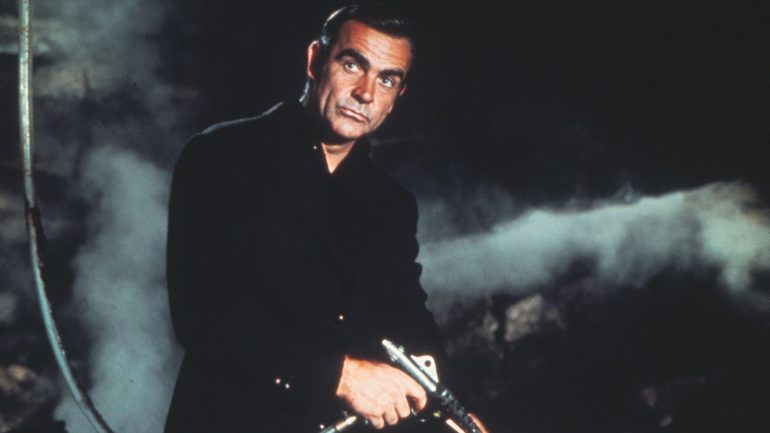
The world of James Bond is no stranger to casino settings, and Diamonds Are Forever offers a polished example. Played by Sean Connery, Bond navigates the roulette table with composure, reinforcing his image as a calculated and observant figure. The scene benefits from sleek production design and confident pacing. Rather than focusing solely on the outcome, the sequence highlights interaction, observation, and subtle shifts in power between characters. It’s a classic Bond moment where the roulette table becomes part of a broader narrative of espionage and strategy.
Indecent Proposal (1993)
In Indecent Proposal, the roulette scene reflects emotional stakes rather than external conflict. Featuring Robert Redford and Demi Moore, the sequence uses the casino setting to mirror the characters’ internal dilemmas. The roulette wheel becomes symbolic, representing pivotal choices rather than outcomes. Lighting and camera angles emphasise intimacy and tension, demonstrating how roulette scenes can serve as metaphors within character driven narratives.
Run Lola Run (1998)
A more stylised take appears in Run Lola Run, directed by Tom Tykwer. The film’s fast paced editing and unconventional structure make its casino scene particularly striking. Here, the roulette wheel is integrated into a high energy sequence that aligns with the film’s experimental tone. Rapid cuts, bold colour choices, and dynamic sound design create a sense of urgency. Unlike traditional portrayals, this scene uses roulette as part of a broader exploration of time, consequence, and repetition.
Ocean’s Thirteen (2007)
In Ocean’s Thirteen, roulette plays a role within a larger ensemble narrative led by George Clooney and Brad Pitt. The film’s tone is lighter, but the casino sequences remain visually engaging. The roulette scenes are integrated into the group’s elaborate plan, showcasing coordination and precision. The emphasis is on teamwork and execution, with the wheel acting as one component in a carefully constructed sequence. The polished cinematography and smooth pacing make it a standout example of modern casino filmmaking.
The Hangover (2009)
While primarily a comedy, The Hangover includes casino moments that contribute to its depiction of Las Vegas nightlife. Featuring Bradley Cooper, the film uses roulette tables as part of its broader setting rather than a central plot device. The scenes are brief but effective, capturing the lively atmosphere without lingering on gameplay. The focus remains on character interaction and humour, demonstrating how roulette can function as background texture in a variety of genres.
Croupier (1998)
For a more grounded perspective, Croupier offers a behind the scenes look at casino operations. Starring Clive Owen, the film presents roulette from the viewpoint of someone working the table. The scenes are deliberate and methodical, emphasising routine and observation. This approach contrasts with more glamorous portrayals, offering a nuanced depiction of the environment. The restrained style allows the audience to focus on character development and narrative progression.
Why Roulette Works So Well on Screen
Roulette scenes endure in cinema because they combine visual simplicity with narrative flexibility. The circular motion of the wheel, the contrast between stillness and movement, and the clear focal point make it ideal for filmmakers. Whether used to underscore tension, reveal character, or enhance atmosphere, it adapts to a wide range of storytelling styles. Modern audiences may also recognise how these cinematic portrayals influence broader entertainment culture, including digital platforms such as rainbow riches casino, where visual presentation and pacing remain key elements of engagement. However, in film, the emphasis is always on storytelling rather than participation.
From classic dramas to contemporary ensemble pieces, roulette continues to hold a distinctive place in cinema. Its ability to convey tension without excessive exposition ensures it remains a valuable tool for directors and screenwriters working across genres aimed at mature audiences.