



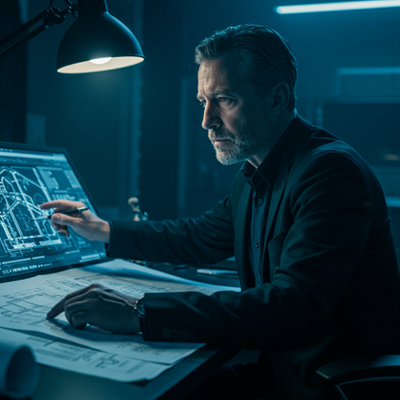
The lights dim, the chatter fades, and a low hum begins to vibrate through the room. There is an undeniable magic to the way a truly great action film builds tension. It is a craft that relies on the delicate control of time and space, pulling the audience along a razor-thin wire of anticipation. Think of Michael Mann’s 1995 crime masterpiece, Heat. The legendary bank robbery scene does not start with explosions or frantic music; instead, it begins with an eerie, clinical silence. We watch Robert De Niro and his crew move through the bank lobby with mechanical precision. The suspense is almost painful because we are waiting for the other shoe to drop, and when it finally does, the contrast is spectacular.
This slow-burn pacing is what separates legendary cinema from forgettable action. Directors like Mann, or Kathryn Bigelow in her 1991 hit Point Break, understand that the explosive moments only matter if the silence beforehand is heavy enough. In Point Break, the heist crew known as the Ex-Presidents operate under a strict ninety-second limit. They do not get greedy, and they do not stray from the plan. That ticking clock is a brilliant narrative device; it forces the audience to count every single second along with the characters. We feel the claustrophobic pressure of time running out, and that feeling is far more powerful than any special effect.
To achieve this level of tension, directors rely on careful framing, deliberate camera movements, and an absolute mastery of sound design. In Heat, the gunshots during the street shootout were not re-recorded in a quiet studio; Mann used the raw, echoing audio captured on the actual streets of Los Angeles. The sound of bullets bouncing off concrete and shattering glass creates a visceral, disorienting atmosphere. We are not just watching a scene; we feel as though we are standing on the pavement, desperately looking for cover.
Furthermore, directors use specific colour palettes to prime our subconscious. Dante Spinotti’s cinematography in Heat uses cold, metallic blues and sharp contrasts to emphasise the professional, detached nature of the characters. In contrast, Point Break uses warm, sun-drenched golds that slowly turn into dark, stormy greys as the tension escalates. These visual cues prepare us for the impending chaos. It is this dedication to realism, colour, and pacing that keeps us glued to our screens, holding our breath until the final credits roll.
Gamifying the Excitement: Why Action Film Buffs Crave Interactive Entertainment
Yet, as much as we love sitting in the comfort of a dark cinema, there is a fascinating psychological shift taking place. Many of us have experienced that moment of mild frustration while watching an action film. We find ourselves shouting advice at the screen, wishing the protagonist would look behind them or take a different escape route. We want to be the ones making the decisions, not just passive observers eating popcorn on the sofa.
This is precisely why action cinema enthusiasts are increasingly drawn to interactive entertainment. We want to feel the weight of the choices being made. When you cross the line from a passive viewer to an active participant, the psychology of suspense changes completely. It is no longer about wondering what the director has planned for the characters; it is about wondering whether your own plan will succeed.
When we watch a film, our brains are in a state of relaxed anticipation. When we interact, our cognitive involvement increases. This is a very satisfying state of mind for people who love problem-solving. It is not just about raw action; it is about strategic planning.
In an interactive format, you are the getaway driver navigating the rain-soaked streets, or the mastermind trying to crack a safe before the security guards arrive. This sense of agency turns suspense into a personal challenge. If a plan fails, it is not because of a scriptwriter’s decision; it is because of a choice you made. This connection makes every single moment feel incredibly vital, transforming simple entertainment into an engaging, active experience that keeps our minds sharp.
High-Volatility Excitement: Translating Climax Pacing into Dynamic Gaming
How do you translate the nail-biting suspense of a classic cinematic showdown into a quick, repeatable format? The answer lies in volatility and pacing. Think of the final duel in a classic Western or the tense moment before a vault door swings open; it is all about the build-up. For action film fans looking to replicate the suspense of cinematic cliffhangers, engaging with movie-themed slots online is a natural step. Here, high-volatility gameplay and cinematic IPs capture the raw, unpredictable nature of the silver screen, turning every round into a mini-climax of its own.
In these digital formats, the pacing mirrors the classic heist formula. You have the quiet periods of anticipation where the reels turn, followed by sudden bursts of dramatic music and flashing lights when a winning combination lands. It is a brilliant distillation of the tension-and-release cycle that Hollywood has spent a century perfecting.
The Digital Showdown: Hollywood Action and Martial Arts IPs Reimagined
This creative relationship between Hollywood action and interactive entertainment has reached impressive heights. Modern developers are no longer content with simply putting a movie title on a screen; they are deeply committed to preserving the artistic heritage of classic action and martial arts cinema.
Consider how martial arts sequences are designed in interactive media. Directors like John Woo popularised “Gun Fu”—a beautiful, almost balletic combination of close-quarters combat and rapid firearm choreography. This specific style, with its slow-motion dives, dual-wielding pistols, and environmental destruction, has become a core element of modern interactive games. Developers use advanced physics systems to ensure that when a character style-dives over a wooden counter, papers fly, glass shatters, and dust fills the air in a way that feels authentically cinematic.
Similarly, the classic heist trope has been meticulously preserved. Interactive experiences often require you to manage your resources, coordinate with a digital crew, and make split-second choices when a plan inevitably goes wrong. The focus is on replication; the heavy clunk of a vault door, the green glow of a hacking terminal, and the frantic chatter over a police scanner are all designed to make you feel like the mastermind of your own personal blockbuster.
Sound effects play a vital role in capturing this aesthetic. The hollow thud of a fist making contact, the metallic ring of a sword being drawn, or the rhythmic click of a combination lock being spun are all carefully crafted. Sound designers spend hundreds of hours recording real-world objects to get the perfect texture. In interactive adaptations, these sounds are dynamic, changing based on your actions to create a bespoke cinematic experience.
Even the classic character archetypes have remained intact. We still see the brooding anti-hero, the tech-savvy specialist, and the relentless detective hot on our heels. By keeping these familiar figures at the centre of the action, interactive media ensures that the transition from cinema screen to personal device is as seamless as possible. It is a wonderful way to celebrate classic cinema while keeping the stories alive for a new generation of players.
Of course, while we enjoy the high-stakes drama of these cinematic worlds, it is vital to keep real-life entertainment safe and balanced. Always set firm limits, play responsibly, and remember that interactive gaming should only ever be a lighthearted pastime. After all, the best stories are the ones we can step away from with a smile, ready to return to reality.