


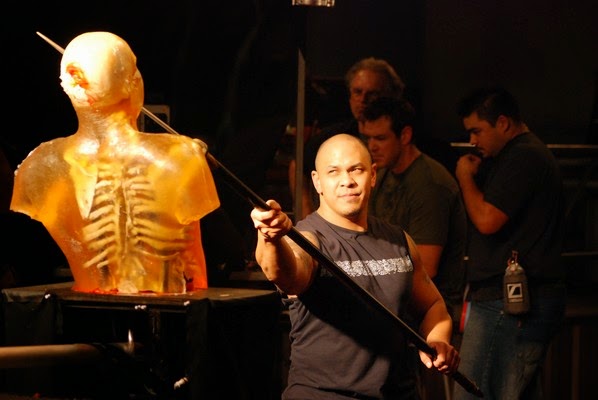
A good action scene needs to make the audience feel like something is actually happening. At the same time, you do not want to create real danger for the people making the movie. That balance does not just happen by luck. Behind every fight, fall, chase, or other physical sequence, there is usually a stunt coordinator. This stunt coordinator works closely with the director, performers, camera department, locations team, and production crew.
The role of the stunt coordinator is even more vital when filming in another country. When filming in another country, the team may not be familiar with local locations, regulations, equipment, language, working methods, or permit requirements. For filmmakers working with limited time and budget, planning stunts during pre-production can help avoid expensive changes during filming
The Stunt Coordinator Starts With the Story
Action works best when it comes naturally from the characters and the situation. A stunt coordinator needs to know what message the director wishes to convey before coming up with any actions.
A trained fighter should not move in the same way as someone who is injured, tired, or desperate. Someone tired or wounded must not fight as if nothing happened. Here lies the importance of stunt coordination in telling stories.
The coordinator can take the intention of the scene and develop physical action that fits the characters, performers, location, and production resources. For productions requiring specialist physical sequences, World Production Service provides stunt action support to help integrate action requirements with the wider production.
For productions, this also helps control ambition. Instead of adding complicated action simply to make a scene bigger, the team can concentrate on a few moments that have real impact.
Bring Stunt Planning Into Pre-Production
Waiting until the shooting day to work out an action sequence usually creates pressure for everyone. A stunt coordinator should be involved early enough to review the script and identify scenes that require additional planning.
Even an apparently simple moment may need thought. A performer moves through a crowded place. They may talk to people and work near a car that keeps moving. They might also take a staged fall. All of that can throw off where the camera needs to be. It can also shift rehearsal time, props, and wardrobe. It can even change the spot we shoot in and the overall shoot plan.
Planning helps the producer see what the sequence truly needs. It also allows the coordinator to discuss what performers can reasonably do themselves and where experienced stunt performers or doubles should be used.
The goal is not to keep actors away from every physical moment. When suitable, seeing the actor perform part of the action can make the sequence more convincing. The coordinator helps decide where that approach remains practical and where a trained stunt performer is the better choice.
Location Scouting Should Include the Stunt Team
A location can look fantastic and still be completely wrong for an action sequence. During location scouting, the stunt coordinator should examine the space from a practical point of view.
A staircase may appear ideal for a chase but offer little room for camera positions. A narrow street may create the right visual atmosphere while leaving nowhere for crew and equipment. Wet stone, loose gravel, traffic, uneven surfaces, low ceilings, and limited access can all influence the action.
For international film production, World Production Service can provide local production support and help filmmakers understand how locations actually operate, including access, traffic conditions, local restrictions, and nearby alternatives. They may know when traffic becomes heavy, whether access changes during certain hours, or whether another nearby location could provide a similar look with fewer restrictions.
A backup location is also useful for important exterior sequences. Weather, access, or unexpected local activity can change the conditions quickly.
Permits and Local Regulations Affect Action Design
Action sequences often require more production planning than ordinary scenes. Filming permits may need to reflect the activities taking place at the location. Public-space filming, controlled vehicle movement, drones, specialist effects, large crew setups, or other unusual production activity can involve additional requirements.
Local regulations vary considerably between destinations. That means a stunt coordinator and production manager should understand what can actually be done before detailed choreography is locked.
During an international film shoot, local production staff can help identify the appropriate authorities, property representatives, or venue contacts. Requirements should still be formally verified, but local experience can make the process much easier to understand.
International productions often require careful planning for crew travel, and World Production Service helps manage film crew visa applications and documentation to ensure smoother preparation before filming begins.
Rehearsal Makes Action Look More Real
Good action rarely comes from performers simply moving faster. Rehearsal allows the stunt coordinator to build the sequence step by step, check the timing, and see how each performer handles the movement.
Actors must take time to discover where they are going. Actors must take time to discover how they should respond. Actors must take time to discover what the feeling behind the scene should be. Stunt performers must also ensure that their actions match the camera. Stunt performers must also ensure that their actions match the team.
Rehearsal might show that a difficult move doesn’t add much to the scene or that a simpler move looks more powerful from the camera angle that was planned. For small productions, rehearsal is also financially sensible.
Changing choreography in a rehearsal room is much cheaper than changing it while a full camera, lighting, makeup, locations, and production team is waiting.
Simple previsualization can help as well. Recording a rehearsal from rough camera positions gives the director and cinematographer a clearer idea of how the sequence may cut together.
Camera and Stunts Need to Be Planned Together
The audience only sees the action through the camera. A stunt that is technically impressive can lose its power if the angle hides the movement or makes it hard to understand where things are happening. The stunt coordinator, director, and cinematographer should therefore talk about the sequence together.
Wide shots can show how people move clearly, while closer angles can focus on how characters feel and what happens to them. The best way to shoot it depends on the scene of following one strict rule for action movies.
Camera placement also affects production safety. Crew members and equipment need appropriate positions around physical action. The coordinator should understand where cameras, operators, and other crew will be located before the sequence begins.
Budget for the Action You Can Actually Shoot
Stunt work has to be incorporated into the production budget honestly. Rehearsal, the performers, specialist crew, location, extra filming time, transportation, equipment, props, wardrobe duplication, and contingency costs can make the production budget grow exponentially.
Cutting corners during the preparation process is a surefire way of creating more issues on the set that will end up being more expensive to fix.
Independent filmmakers are usually better served by designing one strong sequence that can be properly prepared than attempting several large moments without enough resources.
The stunt coordinator can help the producer understand where money genuinely improves the scene and where the action can be simplified without losing its purpose.
Equipment and Customs Need Advance Planning
Some action sequences require specialist camera support or stunt-related equipment that may not be available everywhere. During an overseas production, the team should compare what needs to travel with what can be sourced through local equipment rental.
Standard camera, lighting, grip, and support equipment may be readily available in established production centres. More specialized items may need to come with the international team. If professional equipment crosses borders, customs requirements should be researched early. Accurate inventories, serial numbers, values, and relevant temporary import documentation may be required depending on the destination.
Equipment delays can affect rehearsals as well as filming, so important items should not be scheduled to arrive at the last possible moment.
Production Logistics Matter More Than They Appear
A stunt sequence may require several resets before the next take. Vehicles may need to return to starting positions. Props may need replacing. Costumes or makeup may require continuity work. Equipment may need to be checked. These details have to appear in the schedule.
Transportation and accommodation also become part of production logistics during international work. Keeping key crew reasonably close to the filming location can help when rehearsal or setup begins early. Local drivers can be valuable when equipment vehicles and crew movements need to be coordinated in an unfamiliar city.
Weather must also be monitored carefully. Rain, wind, extreme heat, or other changing conditions can affect what is practical at an exterior location. A coordinator may need to adjust the sequence rather than forcing the original plan into different conditions.
Communication Holds the Sequence Together
Action scenes bring many departments into the same moment. Stunts, camera, lighting, locations, props, wardrobe, makeup, transport, and production may all have responsibilities around one setup.
Clear communication is essential. On an international production, cultural and language differences can make this more complicated. A bilingual production coordinator or experienced local crew member can help communication run smoothly between departments. Before starting the filming process, all people involved must know the schedule, their duties, and how revisions will be communicated to them. It is much more effective when all departments receive one decision from the same person.
Safe Action Starts With Good Preparation
A stunt coordinator does more than just make a fight look cool or a fall look scary. A stunt coordinator connects the story with the performers, locations, camera work, equipment, and practical decisions made on set.
This job gets even harder when filmmakers travel to another country. Things like checking the destination, setting a budget, getting film permits, getting visas, following local rules, finding locations, renting gear, going through customs, finding transport, checking the weather, and knowing the local area all change what can actually happen.
Having a local crew and talking clearly can help the stunt department change the stunt plans to fit the new destination. Good action scenes need to feel wild and full of energy on screen. Behind the camera, action scenes need the exact opposite. Action scenes need planning, coordination, real expectations, and a team that truly knows how to do the work.
The biggest improvements are needed in the introduction, rehearsal section, camera section, communication section, and conclusion. The rest of the article only needs small grammar changes.