



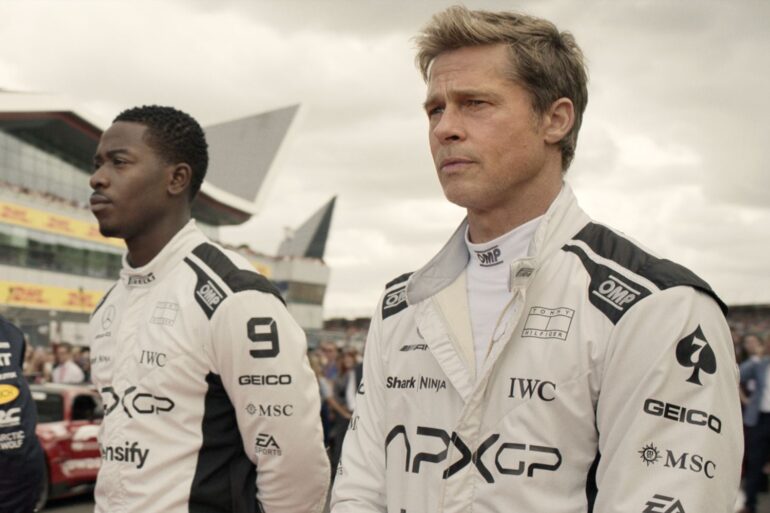
When people picture an action movie car chase, they picture the smash cuts: the muscle car drifting through a four-way, the cruiser flipping mid-air, the hero stepping out of a smoking wreck and dusting off the jacket. In reality, the most interesting part of that scene is the part the camera never shows.
The arraignment. The blood draw. The towed vehicle. The lawyer.
Action cinema sells the chase as a contained spectacle. Real life is messier, and the consequences land long after the credits would have rolled.
So what would actually happen the morning after one of these set pieces?
The Chase Looks Fun on Screen Because the Paperwork Is Edited Out
Movies love a clean ending. The villain crashes, the hero walks, and a sympathetic cop nods from a distance. No charges. No tow yard.
No insurance adjuster on the phone three weeks later. That tidy resolution is the genre’s biggest cheat.
Strip the soundtrack away and a movie chase is a stack of charges waiting to be filed. Eluding police. Reckless driving. Aggravated assault by auto.
Possession of stolen property if the car isn’t yours. If anyone gets hurt, the list grows fast, and the penalties stop being abstract. Motor vehicle crashes already sit near the top of preventable deaths in this country, and the CDC notes that more than 100 people die on U.S. roads every day.
That’s the backdrop a real prosecutor brings into court, not the popcorn one.
Eluding the Police Is a Felony, Not a Plot Beat
In New Jersey, where plenty of these scenes are filmed along the shore and the Pine Barrens, fleeing an officer in a vehicle is a second-degree offense when the flight creates a risk of injury or death. Second degree means real prison exposure, not a slap and a stern speech. A jury doesn’t need to see a collision. They only need to see that the driver knew the cop wanted them to stop and chose the gas pedal anyway.
Hollywood frames the chase as a battle of wits. Courtrooms frame it as a decision tree, and every turn the driver took becomes a separate fact a prosecutor lines up for the jury.
Cell tower data. Dash cams. License plate readers. The evidence file is thicker than the screenplay.
The Stunts That Cause the Most Real Damage Are Boring on Film
The things that actually kill people on American roads don’t look cinematic. They look small, like a driver checking a text.
A driver who had three beers and felt fine. A passenger who didn’t bother with the belt for a quick trip. Federal crash data has long tied distracted driving to thousands of deaths a year, none of which would make the trailer.
No stunt coordinator gets a credit for any of that. But these are the cases that fill court calendars from Atlantic City up to Newark.
The Charges Stack Faster Than the Wrecked Cars
One bad night behind the wheel rarely produces one clean charge. Prosecutors layer them. A DUI can ride alongside reckless driving, leaving the scene, refusal to submit to a breath test, and endangering a passenger.
Add a minor in the car and the calculus changes again. Add an injury and the case can jump from municipal court to the county prosecutor’s office overnight.
Each charge carries its own sentencing range, its own license consequences, and its own collateral damage. Background checks. Insurance. Professional licenses.
A commercial driver with a CDL can lose a livelihood over a single incident that an action movie would treat as a punchline.
What an Actual Defense Looks Like When the Cameras Stop Rolling
Real defense work is unglamorous. It’s the body cam footage watched frame by frame. The breath test machine’s calibration logs. The officer’s training records.
The dash cam timestamp that contradicts the report. It’s the motion to suppress that quietly cuts the heart out of the state’s case before a jury is ever selected.
Anyone charged after a real-life version of one of these scenes, whether the offense is a DUI on the Atlantic City Expressway or an eluding charge that started as a botched lane change, needs counsel who treats the evidence the same way a good editor treats footage: nothing assumed, everything checked.
The chase scene ends when the director yells cut. Everything else starts the moment the cuffs click. That’s the part of the story worth paying attention to.