




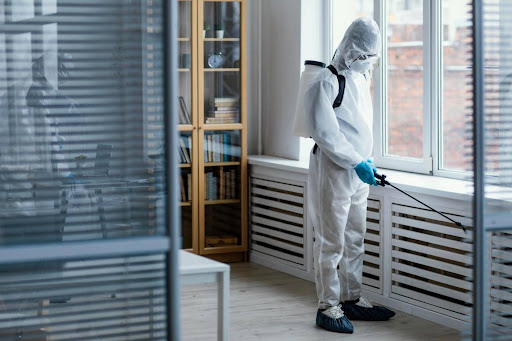
A building is designed to be lived in. When a property sits empty for extended periods—whether it is an estate caught in probate, a vacation home waiting for the season, or a commercial space between tenants—it undergoes a silent transformation. Without regular human activity to maintain its balance, a structure quickly falls victim to the subtle, relentless forces of nature and decay.
Many owners assume that keeping a property locked up tight is enough to preserve it exactly as it was left. However, time is not kind to an empty house. Without someone there to catch minor issues, small physical changes can snowball into major structural crises. Here is a look at exactly what happens when a property sits unused.
1. Stagnant Air and Rapid Moisture Buildup
When windows remain closed and HVAC systems are turned off or set to energy-saving eco modes, airflow inside the property grinds to a complete halt. Without ventilation, any moisture trapped within the building has nowhere to escape.
As relative humidity levels rise, the indoor environment becomes a breeding ground for mold and mildew. Spores can begin growing on drywall, carpets, ceiling tiles, and wooden furniture in as little as 48 hours. Left unchecked for months, mold can ruin interior finishes and completely degrade the indoor air quality, making the building unsafe to re-enter without professional remediation.
2. Plumbing Systems Dry Out and Fail
Plumbing infrastructure relies on regular water flow to stay functional. When a property sits vacant, the water inside the P-traps—the curved pipes beneath sinks and drains—eventually evaporates.
These traps are designed to hold a small pool of water that acts as a physical barrier against sewer gases. Once that water dries up, foul odors and dangerous gases can drift freely into the living spaces. Additionally, rubber seals, washers, and gaskets inside faucets and appliances dry out and crack without moisture. When the main water line is finally turned back on, these degraded components often trigger immediate, widespread plumbing leaks.
3. Undetected Structural Settling and Weather Damage
Every building shifts and settles over time, reacting to the temperature fluctuations of the changing seasons. When a property is occupied, residents notice the subtle warning signs of severe settling, such as doors that suddenly stick or fresh cracks appearing in the drywall.
In an empty property, these structural warning signs go completely unnoticed. A minor roof leak caused by a passing storm can drip into the attic for months, rotting the wooden rafters and weakening the ceiling structure before anyone ever steps foot inside. By the time the damage is discovered, a simple roof repair may have transformed into a full-scale structural overhaul.
4. Silent Invasions of Destructive Organisms
An empty structure represents the perfect sanctuary for pests. Without the regular disruptions of human footsteps, vacuum cleaners, and turning lights, local wildlife and insects view the quiet environment as a safe place to feed, nest, and multiply.
Rodents can quickly chew through expensive electrical insulation, creating a major fire hazard. Even more devastating are the wood-destroying insects that quietly compromise the framing of the building. For properties left vacant in the Midwest, securing a professional termite treatment in Olathe or nearby regions is crucial to stopping these hidden invaders. Because termites tunnel through the interior of wooden beams without altering the outer surface, they can completely hollow out a home’s structural support system long before an owner realizes they are even there.
5. Acceleration of General Material Deterioration
Dust, grime, and debris accumulate much faster in an unused space than most people realize. Without regular cleaning, layer upon layer of dust settles over surfaces, trapping ambient moisture against wood, metal, and fabric.
This constant layer of grime accelerates the aging process of interior materials. Finishes can become permanently stained, metals oxidize and rust faster due to localized humidity, and natural fibers can break down. Furthermore, appliances that sit idle for too long can seize up completely; internal pumps and motors can rust or lock into place, rendering expensive equipment useless when the property is finally reactivated.
Conclusion
An unused property is never truly static; it is constantly interacting with its environment. Without human intervention to regulate the indoor climate, flush the pipes, and keep pests at bay, a building will naturally begin to degrade. The key to preserving a vacant structure lies in understanding that property management is an active responsibility. Regular inspections, basic climate control, and proactive preventative care are essential to ensuring that an empty house remains a viable, secure home for the future.