



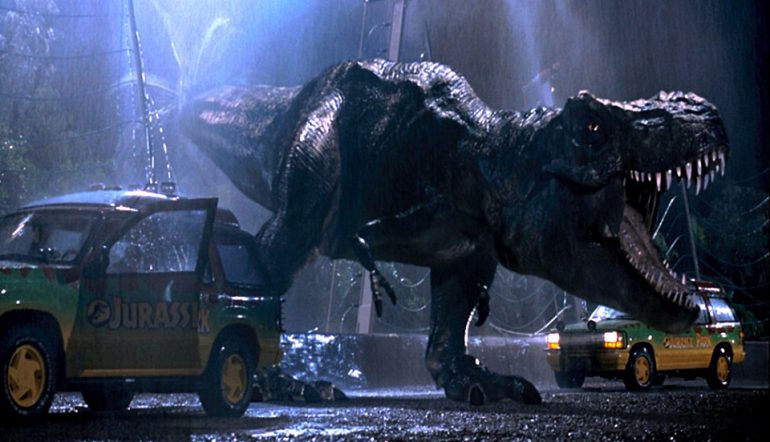
A movie scene turns magnetic before the audience has time to name the trick. The room goes quiet. Eyes stay fixed because image, sound, and timing have formed a small trap: the viewer expects something, fears something else, and waits for the gap to close. The best scenes do not shout for attention. They plant one question, then keep payment just out of reach. A hand pauses near a door. A glass stops halfway to a mouth. Someone smiles one beat too late. That is enough. A cut to a ticking scoreboard can do more than a speech. Sports clips work the same way; a late penalty on fansport uz holds attention because one kick carries score, pride, and panic in three seconds. Films stretch that pressure across faces, silence, props, and choices. In casino ads, betting sites discuss Odds uden om ROFUS with a first deposit bonus line because risk and reward grab attention fast; cinema borrows that pulse without needing a bet.
The unanswered question
Attention starts with a question that feels specific enough to answer. Who is behind the shower curtain? Why did the child stop talking? Will the spinning top fall? One clean question beats five messy mysteries. It gives the viewer a job.
Hitchcock explained suspense with a bomb under a table. If the audience sees it first, a dull conversation turns sharp because every sip of tea wastes time. The scene is no longer about tea. It is about seconds.
Great scenes also delay the answer honestly. They do not cheat with random twists or fake danger. They show enough evidence for the brain to work, then hide the one piece that matters. That little absence pulls harder than a loud explosion.
Faces that reveal too much
A close-up can feel larger than a car crash. In “The Silence of the Lambs,” Clarice holds steady while Hannibal reads her accent, her shoes, and her shame. Nothing moves fast. Still, the viewer leans in.
The face is a weather report.
Micro-expressions sell danger because they arrive before language. A jaw tightens. An eye flicks toward the exit. The audience catches the lie before another character does, which creates a private thrill. For half a minute, the viewer feels smarter than the room.
Casting matters here. Some actors let thoughts pass across the face in layers, as if each idea has weight. Think of Tony Leung in “In the Mood for Love,” or Viola Davis in a silent reaction shot. The camera waits, and the waiting becomes the action.
Sound that tells the body to listen
Sound often catches the nerves before the plot does. A low note under a hallway shot changes the hallway. No monster appears, but the stomach has already tightened.
Silence works even better in the right place. In “No Country for Old Men,” the lack of music makes every footstep and door latch feel exposed. The viewer hears space. A coin toss becomes a threat because the room has no cushion.
Then there is rhythm. Editing can mimic a heartbeat, a held breath, or a stutter. Quick cuts raise heat, but a long take can be worse because escape never arrives. The famous kitchen scene in “Jurassic Park” uses clinks, breaths, and rubbery raptor taps with almost childish clarity. Small sounds. Huge dread.
The frame hides a loaded corner
A scene becomes hard to ignore when the frame seems to know more than the characters. The back seat in “Zodiac.” The open water in “Jaws.” The red coat in “Schindler’s List.” Each detail pulls the eye to one part of the image, then makes that part feel dangerous or sad.
Blocking does quiet work. If two people stand too far apart, distance becomes a wound. If one person is half hidden by a doorway, the frame turns that person into a secret. The viewer scans corners, mirrors, windows, and hands. The hunt feels physical.
A simple test for the next scene
The next time a scene grabs the room, the reason is usually visible within thirty seconds. Name the question. Track the face. Listen for the sound that arrived before the scare. Check what sits at the edge of the frame.
Then watch the timing.
If the scene releases pressure too soon, attention drops. If it holds forever, attention turns into boredom. The sweet spot sits between promise and payment, where the viewer knows enough to worry but not enough to relax. That is why a small prop, a pause, or a glance across a diner can beat a collapsing building. The scene gives the mind one clean problem, then refuses to solve it until the last useful second. A pencil and notebook make the test sharper. Try one tonight. No skipping.