



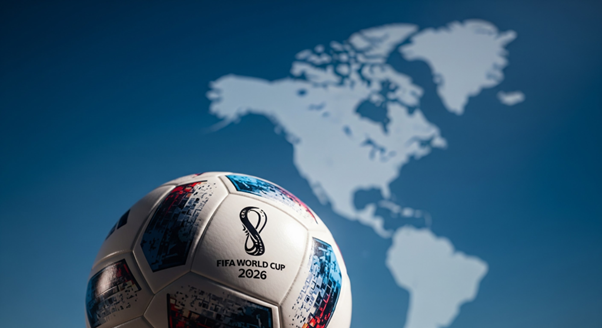
June 2026 looks like a blockbuster release calendar. The 24 Hours of Le Mans 2026 runs from June 10-14, the World Cup 2026 opens on June 11, and the NBA Finals can stretch deep into the month if the series needs six or seven games. That is not just scheduling noise. It is an accidental festival of pressure.
For an action audience, the appeal is obvious. These events do not simply produce winners. They build scenes. A driver fighting fatigue at 3 a.m. on the Mulsanne Straight, a goalkeeper staring down a stoppage-time attack, a guard pulling up with the shot clock dying — all of it uses the same emotional grammar as cinema. Setup. Compression. Impact. Payoff.
The month opens with engines, crowds and nerves
Le Mans has always understood spectacle better than most sports. A 24-hour race is not a chase sequence. It is a chase sequence stretched until the body begins to argue with the machine.
The 2026 edition brings that old endurance myth into a crowded June. While the World Cup is starting its opening week and basketball is deciding its champion, Le Mans offers something colder and more mechanical. No halftime speech fixes a failing gearbox. No dramatic music saves a tired driver from a braking mistake after dawn.
That is why it feels cinematic. The danger is not theatrical. It is procedural. Every pit stop has the rhythm of a heist scene, with hands moving fast and nobody speaking more than necessary.
World Cup opening week has the cleanest final-act tension
The World Cup does something different. It starts with ceremony, colour and nation-sized emotion, but the action grammar is brutally simple once the whistle goes. Ninety minutes. Limited substitutions. One error that can survive in public memory for years.
Opening week works because it carries both promise and dread. Every team still has a future. Every fan still believes the edit can cut their way.
A group-stage match can move like close combat. Space closes. Touches get heavier. A defender wins one duel, loses the next, then watches the entire stadium inhale before a shot bends wide.
The NBA Finals turns fatigue into character work
The NBA Finals is action cinema in a smaller room. Less geography, more pressure. A hardwood floor becomes a contained arena where bodies keep colliding until the story exposes who still has legs, nerve and breath.
The best Finals possessions play as micro-set pieces. A switch forces a mismatch. A coach burns a timeout. A star player walks back onto the floor with that expression actors use before the final fight.
If the series reaches mid-June, the drama changes. It is no longer about talent alone. It becomes about adjustment, pain tolerance and whether one more sprint can be found from a body that has already spent the season writing checks.
The set-piece logic is almost identical
| Event | Action-cinema parallel | Viewer hook |
| 24 Hours of Le Mans 2026 | Extended chase sequence | Machines, fatigue and night-driving jeopardy |
| World Cup 2026 opening week | Opening battlefield reveal | National pressure and sudden reversals |
| NBA Finals 2026 | Final-act duel | Star power, tactical counters and last-shot tension |
A good action film does not stay loud for two hours. It varies the rhythm. Sport does the same when it is working at full force.
- The quiet before kickoff mirrors the slow walk before a showdown.
- A Le Mans pit stop cuts with the urgency of a bomb-disposal scene.
- A fourth-quarter timeout functions as the briefing before the last assault.
- A World Cup counterattack has chase rhythm: steal, burst, decision, strike.
- A late reversal gives the audience the cliffhanger it secretly came to feel.
Why reversals matter more than victory
Victory is the box score. Reversal is the scene people remember.
A race leader loses time in the pits. A forward scores after being invisible for 70 minutes. A Finals team blows a double-digit lead and then has to win the same game twice emotionally. That is where sport beats scripted action. Nobody has protected the protagonist.
The second screen has become part of the spectacle
Modern viewers rarely watch these events with clean attention. They scan timing sheets, lineups, shot charts, injury updates and social feeds while the main screen keeps burning. During live sports, odds boards often become part of that information layer because they react to match momentum faster than most commentary desks can convey. A platform presence around Melbet can sit inside that habit, especially when viewers track unfolding events possession by possession or lap by lap. The appeal is not separate from the spectacle; it follows the same need to read danger before it lands. A sudden red flag at Le Mans, an early World Cup goal or a cold shooting spell in the Finals can change the emotional temperature of a room in seconds. The audience wants signals, not just noise.
Phones now cut the action into smaller scenes
The mobile screen has become the pocket-sized control room for June sport. A viewer might watch Le Mans on television, check World Cup team news at the table, then follow NBA Finals clips during a late commute. That pattern explains why the Melbet app belongs to the second-screen conversation around racing, football and Finals basketball. It reflects a wider shift in how people move between live footage, statistics, markets and reaction without waiting for a studio segment. The phone does not replace the main event. It sharpens the edges around it. Sport becomes portable suspense, broken into alerts, glances and sudden returns to the big screen.
The body is still the best special effect
Action cinema spends fortunes trying to make strain visible. Sport gets it for free. The sweat, the limp, the missed breath, the hands on knees after a defensive stand — these are practical effects.
Le Mans shows the machine wearing down the human. The World Cup shows the crowd pressing down on the player. The NBA Finals shows repetition becoming violence by another name: jump, land, turn, absorb contact, do it again.
That physical truth gives June its roughness. No clean superhero landing. Just people and machines trying not to break before the final act arrives.
The real cliffhanger is the wait
The strange power of June 2026 is that nothing needs to be exaggerated. The calendar already has the cut points. Le Mans runs into the night. The World Cup begins its long global argument. The Finals may still be asking for one more game.
That is why these events feel close to action cinema without imitating it. They understand pressure, timing and consequence. The lights stay on. The body keeps moving. Somewhere, a clock refuses to stop.