



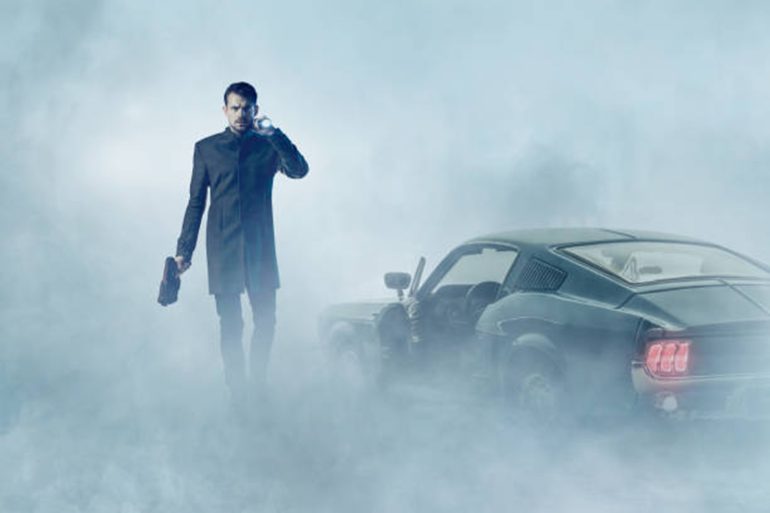
Action cinema has always been built around impact. A great chase, a memorable villain and a hero pushed beyond reasonable limits can remain entertaining long after visual effects and filmmaking trends have changed. While many modern blockbusters dominate their opening weekends then quickly disappear from conversation, older action films often grow more enjoyable with time.
Practical Filmmaking Gives Every Scene Weight
One of the biggest advantages enjoyed by classic action films is their commitment to physical filmmaking. Cars were crashed, buildings were damaged and stunt performers completed sequences that involved genuine speed and danger.
Audiences can usually sense when an object has real weight. A vehicle turning sharply on a wet road behaves differently from a digitally created car. An actor climbing across a moving train creates a level of tension that is difficult to reproduce when every element has been assembled inside a computer.
Practical effects do not automatically make a film good. Poorly staged action remains unconvincing regardless of how it was produced. However, practical methods often force directors to think carefully about geography, timing and camera placement. The viewer understands where the characters are and what could happen if something goes wrong.
That clarity is a major reason certain films remain exciting decades later. Websites such as 25YearsLaterSite regularly revisit older entertainment because time reveals which creative choices had lasting value. In action cinema, clear staging and physical consequences tend to survive better than effects designed mainly to look impressive for one release season.
Memorable Heroes Feel Human
Many older action heroes were larger than life but they were rarely invincible. They became exhausted, made poor decisions and often survived through persistence rather than superior technology.
A vulnerable hero gives an action sequence a clear emotional purpose. Every injury matters because it changes how the character approaches the next obstacle. A damaged shoulder, an empty weapon or a missing shoe can become as important as the villain’s plan.
Modern blockbusters sometimes weaken this connection by giving protagonists endless abilities, advanced equipment or convenient reinforcements. When a character can escape almost any situation without lasting damage, suspense becomes difficult to maintain.
The most rewatchable action films usually establish simple limitations:
- The hero has little time
- Help is unavailable
- The environment is unfamiliar
- The villain controls the situation
- Every escape creates another problem
These restrictions make the story easy to follow while giving each decision greater importance. Viewers do not need a detailed explanation of fictional technology or an extended introduction to a connected universe. They only need to understand who is in danger and why the hero cannot walk away.
Strong Personalities Matter More Than Scale
Bigger action does not always create better entertainment. A film can destroy an entire city yet leave the audience emotionally detached. Another can build an unforgettable finale around two people fighting in a corridor, warehouse or moving vehicle.
Personality gives action its flavour. A distinctive hero changes the rhythm of every confrontation while a compelling villain makes even a straightforward plot feel important. Supporting characters also contribute through humour, rivalry and unexpected loyalty.
This is where many older films outperform newer franchise productions. Their characters often have sharper identities because the filmmakers were not trying to protect a decade of future instalments. Heroes could be abrasive. Villains could be theatrical. Side characters could disappear permanently.
The result was not always realistic but it was memorable. Audiences return to these films because they remember the mood as clearly as the action itself. A familiar soundtrack, a dramatic entrance or a perfectly timed one-liner can create more affection than an expensive sequence filled with anonymous digital destruction.
Rewatchability Comes From Simplicity
A strong action film does not need to be simplistic but it benefits from a focused objective. Rescue someone. Escape a location. Stop an attack. Survive until morning.
Once that objective is established, the film can concentrate on escalation. Each challenge becomes more difficult while the hero gains information, loses resources and moves closer to the final confrontation.
This structure makes older action films easy to revisit. Viewers can enter the story almost immediately and enjoy the execution even when they already know the outcome. The pleasure comes from anticipation. A favourite sequence becomes more satisfying because the audience remembers how every detail contributes to it.
Modern blockbusters often carry heavier responsibilities. They must introduce new characters, reference previous stories and prepare audiences for future releases. Those obligations can interrupt momentum and make individual films feel incomplete.
The action films that age best usually feel like complete experiences. They offer recognisable characters, understandable stakes and sequences shaped by physical movement rather than visual noise. Technology will continue to transform filmmaking but clarity, tension and personality remain timeless. That is why a well-made action film can still hit harder after twenty or thirty years than a blockbuster released only a few summers ago.