



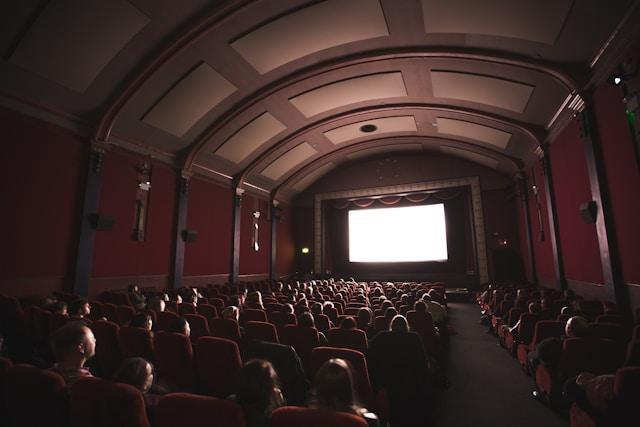
Old school action movies often gave us heroes who were brave, tough, and easy to root for. Yet many viewers walked away remembering the villain more clearly. The hero saved the day, but the villain gave the story its flavor. A strong villain shaped the danger, raised the stakes, and gave the hero something worth fighting against. Without that pressure, many action heroes would have looked much flatter.
Villains Made Risk Feel Safe
In movies, the villain lets the audience experience fear, rebellion, power, and chaos without real consequences. A person can see the same pull in everyday entertainment choices: when you check online casinos in Andorra, for example, the appeal is not only the game but the controlled feeling of risk. Old school action villains worked in a similar way because they gave viewers a taste of danger while the theater seat stayed safe.
This is one reason villains could feel more exciting than heroes. The hero usually had rules. He protected civilians, followed a moral code, and carried the weight of doing the right thing. The villain did not have those limits. He could walk into a room and change the whole mood in seconds. That freedom made him unpredictable, and unpredictability is easy to remember.
They Usually Started the Story
In many classic action films, the villain was the engine of the plot. Hans Gruber took over Nakatomi Plaza. The Terminator arrived with a mission to kill Sarah Connor. The Predator turned a military rescue mission into a survival nightmare. These characters did not wait for the hero to act. They struck first, and the hero had to respond.
The character who creates the problem often feels more active than the character trying to solve it. The hero may be strong, but the villain decides the game, the rules, and the level of danger. This gives the villain a sense of control.
Their Style Was Sharper and Easier to Remember
Old school action villains often had a clear visual identity. They had specific clothes, voices, weapons, scars, gestures, or habits. Darth Vader had the black armor and heavy breathing. Ivan Drago had the cold stare and machine-like body. Hans Gruber had calm manners that made his violence feel even colder. These details gave the audience something simple to hold onto.
Heroes in that era were often built around broad ideals. They stood for courage, loyalty, family, country, or justice. Those ideas are important, but they can also make heroes feel similar from film to film. Villains were allowed to be stranger, funnier, colder, smarter, or more theatrical. Their details stood out because they were not trapped by the need to be morally clean.
They Tested the Hero
A memorable villain does more than cause trouble. He reveals what the hero is really made of. John McClane becomes more interesting because Hans Gruber is smart, organized, and cruel. Sarah Connor becomes stronger because the Terminator is relentless. Rocky Balboa’s heart matters more because Ivan Drago represents physical dominance without warmth.
The best old-school villains were designed to attack the hero’s weakness. If the hero was physically tough, the villain might be smarter. If the hero had heart, the villain might have no empathy. If the hero believed in loyalty, the villain might use betrayal. This kind of contrast made the conflict easy to understand and emotionally satisfying.
Great Actors Gave Villains Extra Life
Many classic action villains were played with bold choices. That made the characters feel larger than the plot. Alan Rickman did not play Hans Gruber as a loud thug. He played him as polite, amused, and deeply confident. Arnold Schwarzenegger’s early Terminator worked because he moved and spoke with frightening simplicity. These performances were easy to imitate, which helped them stay alive in popular memory.
Heroes often had to carry the whole film, so their performances needed balance. Villains could burn brighter in fewer scenes. A villain might only appear for part of the movie, but each appearance could be carefully shaped.
They Reflected Real Fears
Old-school action villains often turned broad fears into a single clear figure. This made complicated fears easier for audiences to process. A viewer did not need a deep explanation to understand why a cold machine, a ruthless thief, or a merciless warlord felt dangerous.
The villain had a goal, and that goal usually threatened people directly. The audience could understand the danger quickly, which left more room for tension, action, and personality.
The Villain Often Had a More Interesting Desire
Heroes usually wanted to stop harm, protect someone, or survive. Those goals are noble, but they are also expected. Villains often wanted money, revenge, control, recognition, power, or proof of superiority. Their desires were selfish, but they were specific.
A villain with a clear plan also creates momentum. He is not just evil because the script needs danger. He wants something badly enough to risk everything.