



Start with a locked door, a timer, and two people who both deserve to live. Viewers lean forward because the answer cannot be clean. If the hero saves the child, a city block burns. If she cuts the red wire, her brother dies offscreen. The story stops being puzzle and becomes pressure. That pressure is strangely fun. It lets an audience test fear without paying the bill. The viewer weighs rules, loved ones, strangers, and the awful silence after a choice, all while sitting perfectly still. So late at night after the credits roll in a quiet room, when an ad or stray browser tab for xparibet login appears, the brain has already been warmed by risk, odds, and a bad clock ticking in the corner.
A person comparing sport odds might use top betting sites on desna.football in the Czech Republic, but fiction asks for a different stake. No cash slip. Just judgment.
The brain likes a trap with no clean exit
Impossible decisions work because they refuse the easy door. A normal choice asks, “What is smart?” A hard story choice asks, “What kind of person is this?”
Tiny details matter.
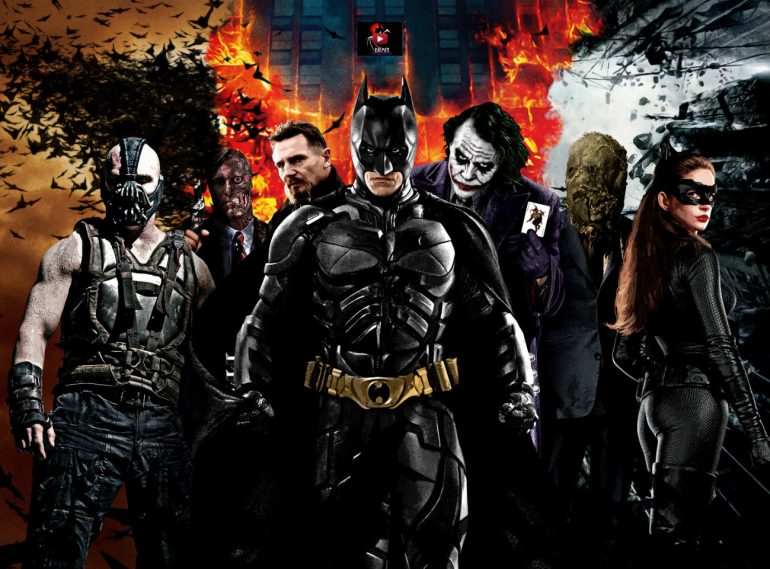
In The Dark Knight, the ferry scene lasts because each boat has a detonator. People do math in public. The choice is ugly, yet the setup is plain enough for anyone on a sofa to grasp in five seconds. Press or refuse. Live with both.
The pleasure sits in the gap between instinct and ethics. Viewers want the character to act, then dread the action. People split fast. A teenager may change sides halfway through the scene. Good drama gives them room to argue with themselves.
That inner argument feels active. The audience is not just receiving plot. It is rehearsing a private answer, one it hopes never to need.
Moral stress makes characters feel real
A character becomes memorable when a choice costs something specific. Not “happiness.” Too soft. Give up a name, a hand, a home, a promise made at a kitchen table. Specific pain sticks.
Look at Sophie’s Choice. The horror is not scale alone. It is the forced naming of one child. The moment feels unbearable because love has no ranking system, yet the guard demands one. No speech can make that tidy.
Ouch.
Impossible decisions strip away charm. A witty thief, a calm queen, or a loyal soldier can hide behind style. Then the story places one life against another, and style cracks. The viewer sees the rulebook inside the person. Sometimes it is noble. Sometimes it is rotten. It feels human.
This is why weak versions fail. If the sacrifice resets ten minutes later, the scene turns cheap. If every option was fake, the audience feels tricked. The scar has to remain, even if it is quiet.
Viewers enjoy being safely unsafe
Fear works differently from real danger in a living room. The door is locked. On screen, a captain has ninety seconds to shoot a friend before a virus leaves the lab. The body reacts as if the threat matters.
Heart rate rises. Shoulders tense. Then nothing truly bad happens to the viewer. Release follows.
Psychologists call this kind of pull benign masochism. People sample discomfort in a safe frame. Hot sauce. Roller coasters. Impossible decisions belong on that shelf, except they sting the conscience too. The viewer gets adrenaline plus self-judgment.
Stories also make private fears shareable. After an episode ends, people can ask, “Would he have pushed the button?” without confessing their own darker question. The character carries the shame. The room gets the debate.
Safe danger is still danger enough to remember.
The best impossible choices change after the credits
A strong dilemma follows people into the kitchen. It bothers them while they rinse a glass. That aftertaste matters because the story did not solve the moral math for them.
The strongest scenes avoid speeches that explain the “right” answer. In Breaking Bad, decisions often look practical for half a minute, then curdle into pride, fear, or control. In The Last of Us, the hospital ending keeps its grip because love and violence share the same doorway. Viewers understand the act. They may still hate it.
Small consequences help the memory last. A missing chair at dinner. A dog that waits by the gate. A phone that never rings again. These details beat grand speeches because they show the price in daily life.
And the question stays open.
Writers who want this effect should begin with two goods, not one good and one obvious evil. Save a friend or tell the truth. Protect a town or keep a vow. Then make the clock short, the cost visible, and the escape route closed. What would the character lose, and what would the viewer secretly forgive? Try that tonight.