



Science fiction has always been interested in what happens when technology starts to behave more like a person. Action movies usually push that idea further by placing robots, virtual characters and intelligent machines inside dangerous or futuristic worlds. Artificial partners make that idea more personal because the technology is no longer just a weapon, machine or tool. It becomes part of a relationship.
The idea is no longer limited to fictional robots. AI companions can now hold ongoing conversations, take on different personalities and support roleplay or relationship-style interactions through ordinary phones and computers. Intimeros AI Intimacy examines this developing space through reviews and guides covering AI companions, digital intimacy, privacy, safety and the way these platforms behave over time. The technology is still very different from what older movies imagined, although the basic appeal of interacting with a responsive artificial character is becoming much easier to recognise.
Artificial Partners Were in Sci-Fi Long Before Chatbots
The artificial partner is hardly a new idea. Long before generative AI became part of everyday technology, films were already imagining machines designed to provide company, affection or an idealised version of a relationship.
One of the clearest action-oriented examples is Cherry 2000. The 1987 film follows Sam Treadwell after his lifelike robotic partner breaks down, and instead of simply buying a replacement, he heads into dangerous territory to find the same model and recover the personality he already knows.
It is a strange setup, even by 1980s sci-fi standards, but the idea underneath the desert action still feels relevant. The film asks whether a person becomes attached to the machine itself or to the memories, habits and personality associated with it, which makes the relationship more complicated than the simple replacement of damaged hardware.
The movie turns that idea into a post-apocalyptic adventure filled with gunfights and pursuit scenes, yet the whole journey begins because its main character has formed an emotional attachment to artificial technology.
Action Movies Make Technology Personal
Artificial intelligence in movies is often discussed through villains such as Skynet or machines that decide humanity is the problem, but artificial partners create a different kind of tension because the technology is welcomed into someone’s private life.
Instead of threatening a city or taking control of weapons, an artificial partner becomes interesting when it knows enough about a person to make the audience question whether the connection means anything beyond programming. This works especially well in science fiction because filmmakers can take technology that already feels possible and push it further, whether that means a robot that looks human, a hologram that behaves like a partner or a virtual character that somehow enters the physical world.
The action gives these stories their spectacle, while the relationship gives them a more personal question to explore. Writers can use the artificial character to ask whether people value a physical presence, shared memories or personality most, and those questions become harder to answer once the machine starts responding in ways that feel convincing.
That uncertainty is one reason the idea keeps returning, because every new version of the technology gives filmmakers a slightly different way to approach the same basic question.
From Robots to Virtual Partners
The physical robot was only one version of the artificial partner. As computers and games became more familiar, films began moving the idea into virtual environments where a character did not necessarily need a mechanical body to feel present.
Grid Runners, also known as Virtual Combat, leaned heavily into that idea in the 1990s. Its futuristic version of Las Vegas includes virtual characters that can cross into the real world, combining martial arts action with the era’s fascination with virtual reality and computer-generated people.
Modern technology has taken a different route because an artificial companion no longer needs a robotic body or a VR headset to create a sense of presence. Conversation can do much of that work by itself, particularly when a system can respond consistently, maintain a particular personality and remember information from earlier exchanges.
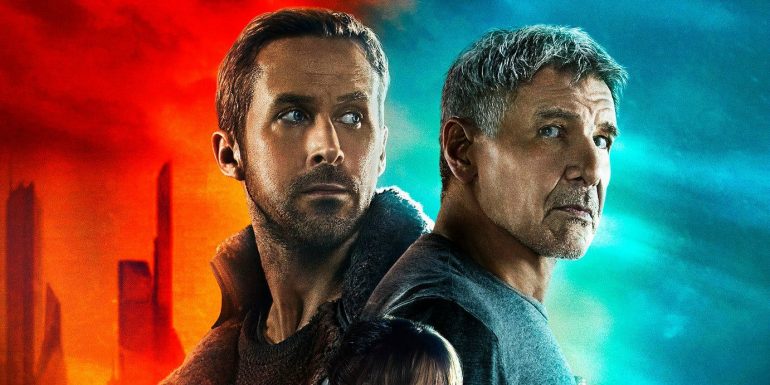
Blade Runner 2049 develops the idea in a more restrained way through Joi, the holographic AI companion used by K. She exists as commercial software, but the film gives their relationship enough attention to make the audience question how much meaning should be attached to her behaviour. It also leaves open whether the distinction between programmed responses and emotional connection is always clear from the user’s point of view.
Today’s Technology Is Less Cinematic
Real AI companionship looks much less dramatic than most movie versions because the interaction usually happens through text, images or voice rather than holograms walking through futuristic apartments. What can make these systems feel more personal is their ability to continue a conversation over time and, depending on the platform, remember details that influence later exchanges.
Roleplay and character customisation can add another layer, but they also create practical concerns that fictional stories can ignore. A movie character never has to explain how personal conversations are stored. Real services, however, may handle sensitive information through chats, voice interactions or account settings, making privacy and user controls part of the experience rather than an abstract issue.
Researchers are also beginning to examine how people form bonds with these systems. A 2026 study published in Nature Human Behaviour, involving more than 1,100 US adults, found that the relationship between AI-companion use and wellbeing varied between users. Offline social circumstances and patterns of chatbot use were among the factors associated with those differences.
The findings are a useful reminder that artificial companionship does not have one simple effect. Someone using a character for entertainment or occasional roleplay may have a very different experience from someone who relies heavily on the system for emotional support, so the way the technology is used matters as much as the technology itself.
Why the Idea Will Keep Returning
Artificial partners remain useful to sci-fi because the subject changes whenever the technology around us changes. In the 1980s, the fantasy often centred on convincing humanoid robots, while the 1990s became more interested in virtual reality and later films could imagine holographic partners or highly responsive software.
Now that conversational AI exists outside fiction, filmmakers have a new set of ideas to work with because an artificial partner no longer needs to look futuristic to feel believable. A future character could simply be software that remembers years of conversations, understands someone’s habits and responds in a way that feels increasingly familiar.
Action cinema will probably continue adding rogue robots, corrupt corporations and plenty of explosions to these stories. But the more interesting tension often starts earlier, when a character stops treating the machine as a piece of technology and begins treating it as someone they know.